
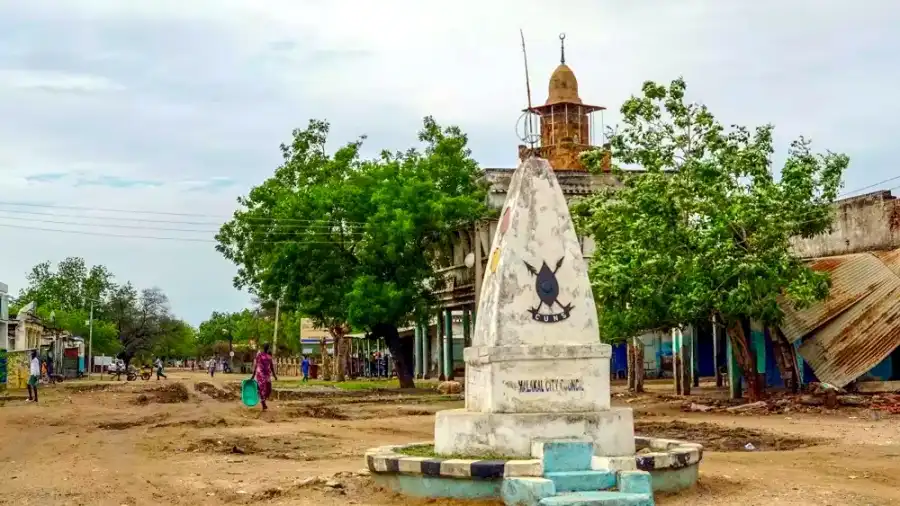
Malakal City, South Sudan (Photo Credit: Natalia Ojewska / TNH)
Opinion, by: James Lwany
March 15, 2026
(Pachodo.org) - As South Sudan navigates the complex path to stability and growth, the role of education emerges as a foundational pillar upon which the nation’s future must be built. At the heart of this educational landscape are the teachers—dedicated individuals who commit themselves to shaping young minds amid challenging circumstances. However, their contributions remain overlooked and undervalued, hindering progress and perpetuating cycles of poverty and ignorance. To unlock the country’s potential, it is imperative to empower educators through essential investments in training, respect, and adequate compensation. Only by fortifying the teaching profession can South Sudan hope to cultivate an educated populace capable of driving the nation toward a brighter and more prosperous future.
South Sudan stands at a critical juncture, where the quality of education will determine the nation’s trajectory toward peace and prosperity. Yet, this potential rests heavily on an overlooked asset: the teachers. They are the unsung heroes in a battle for a better future, but their plight—marked by neglect and undervaluation—reflects a society that has failed to prioritize education.
One of the most pressing issues facing education in South Sudan is the glaring absence of professional training and capacity-building opportunities for educators. Many teachers enter classrooms ill-equipped to engage students effectively or meet their diverse learning needs. Without robust training programs, we forfeit the chance to prepare educators who can inspire and innovate. Education systems worldwide thrive on investing in their teachers; South Sudan, however, operates under a harrowing deficit.
In Upper Nile State, the situation is even more severe. Here, operational public schools barely reach double digits, while many of the premises intended for government institutions are commandeered by private schools. In Malakal, the capital of Upper Nile State, the scarcity of public education options unfolds dramatically, with private institutions filling the gaps left by a faltering public sector. This dependency on private education is deeply concerning, as it exacerbates systemic inequalities and further marginalizes families unable to afford such services.
As the professional landscape becomes increasingly inhospitable, many educators escape to more stable positions within non-governmental organizations (NGOs) or the private sector. This migration creates a ripple effect, leaving behind overburdened classrooms and a teaching workforce in decline. The incessant loss of experienced educators diminishes the quality of education that students receive, creating an environment where learning opportunities dwindle rather than thrive.
Adding to this crisis is the grim reality of teacher compensation. South Sudanese educators earn some of the lowest wages in the country, rendering their monthly salaries insufficient to meet their families' basic daily needs. Even after a full year of work, teachers often cannot afford necessities, pushing them to seek alternative employment opportunities elsewhere. This financial instability not only demoralizes educators but also sends a damaging message about the value placed on their contributions to society.
The education system in South Sudan is caught in a vicious cycle, perpetuated by inadequate funding, insufficient training, and a lack of respect for the teaching profession. Teachers feel undervalued; when a society fails to respect those who educate its youth, it undermines the very foundation of a future built on knowledge and progress. This lack of respect filters down to students, who may view education as secondary to other pursuits, perpetuating a culture of devaluation.
The need for reform is urgent. A comprehensive reevaluation of how teachers are treated is essential for cultivating an environment where education is prioritized. Investment in teacher training must be a cornerstone of any meaningful educational reform. Robust professional development programs would equip educators with the skills they need to excel in their roles, fostering a new generation of teachers who can uplift their communities through quality education.
Improving teacher compensation is equally vital. Increasing wages to reflect the importance of educators would signal a societal commitment to valuing education. A competitive salary not only retains skilled professionals but also attracts new talent to the field. It is imperative that South Sudan acknowledges the crucial role teachers play in shaping the future and compensates them accordingly.
In concert with better training and compensation, fostering an environment of respect for teachers is fundamental. This cultural shift must involve collaboration between government officials, community leaders, parents, and educational institutions. When society collectively recognizes and honours the contributions of teachers, it paves the way for meaningful engagement that uplifts both educators and students.
As South Sudan envisions a future characterized by peace and progress, the role of education cannot be overstated. The failure to invest in teachers is tantamount to neglecting the future of the nation. Quality education is not merely an ideal but a necessity that will fuel the nation’s growth and development. Building a resilient economy and cohesive society requires an educated populace, and the first step toward this aspiration is bolstering the education system from its roots.
Only by advocating for teachers will South Sudan find a way toward a brighter, more promising future. It is crucial to understand that without teachers, the dreams of an educated nation remain but mirages on the horizon. The calling is clear: society must rally around its educators, not only to elevate their status but also to affirm the significance of education itself. The transformation will not happen overnight, but concerted efforts will yield dividends that can reshape the nation’s landscape.
An empowered teaching force, supported by a society that values and respects its educators, is crucial for realizing the full potential of South Sudan’s youth. When teachers thrive, students flourish, and together they can lead the nation toward a new era of achievement. Inaction or indifference will only perpetuate the cycle of poverty and ignorance that has plagued the nation for far too long. The time to act is now.
Let us commit to a future wherein education is prioritized, where teachers are revered, and where South Sudan’s youth can aspire to be the leaders of tomorrow. Through investing in education, we not only cultivate minds but also nurture a nation. It is a collective responsibility, and the first step begins with respecting and empowering those who dedicate their lives to shaping the next generation. Investing in teachers is, ultimately, investing in a brighter, more prosperous future for all of South Sudan.
James Lwany
Newer articles:
- South Sudan’s Most Dangerous Path: Ethnic Nationalism — and the Case for a Civic State (Part 1) - 01/04/2026 18:50
- Either Oppositions Unite, Or Are All Defeated One By One by The Regime - 01/04/2026 18:34
- South Sudan's Monkey Politics Of Folly - 23/03/2026 18:22
- Is God Your Lord Or Your Witch-Doctor? The Myth Of Divine Manipulation - 20/03/2026 16:56
- The Power of Alliances: How the Delusion of America Alone is Manifested in the Strait of Hormuz - 18/03/2026 12:22
Older news items
- The Nuclear Apartheid: How Small States Suffer Great Power Nuclear Double Standards - 16/03/2026 15:18
- The Indivisible Security Principle: How China’s New Security Architecture Can Help Stabilize the Middle East - 09/03/2026 14:16
- Challenge Of Leadership In Enhancing Good Governance In South Sudan - 09/03/2026 14:12
- Whose Conflict is Ravaging the Middle East? Understanding the Disproportionate Influence of a Middle Power over a Superpower’s Grand Strategy - 06/03/2026 19:57
- China Agenda / Two Sessions 2026 - 27/02/2026 23:54
Latest news items (all categories):
- Juba commissioner denies chasing foreigners - 07/10/2026 14:36
- Australia: 19-year-old from South Sudan arrested over a wild joy ride - 07/10/2026 14:33
- South Sudan’s aid crisis deepens as food stocks run low - 07/10/2026 14:29
- South Sudan’s Juba warns foreigners against running small-scale businesses - 07/10/2026 14:25
- Peace Dialogues foster social cohesion in Nyirol County after persisting tensions - 07/10/2026 14:23
See also (all categories):
Random articles (all categories):
- South Sudan's oil production drops by 30 pct: official-Eastday - 03/03/2014 06:45
- South Sudan's silent slaughter: Dinka massacre unchecked by regional, international groups - 13/04/2017 08:56
- Protest in southwest Sudan ends in violence - 04/05/2019 13:42
- leaders are known by their action ,but not words - 29/04/2019 15:57
- South Sudan Tried to Break Me; Christ Rebuilt Me Stronger - 14/11/2025 13:39
Popular articles:
- The Final Communique of SPLM-DC Third Session of the National Council - 29/03/2011 01:00 - Read 83244 times
- Roles and Definition of Political Parties - 29/04/2011 01:00 - Read 64995 times
- Agriculture in Southern Sudan: Challenges and Investment Opportunities - 06/10/2010 01:45 - Read 57689 times
- Fashoda Youth Forum Rehabilitation of Drainage Culverts in Malakal town Report - 07/08/2008 16:22 - Read 36008 times
- Creation and establishment of the Local Government Councils ( Counties ) (2) - 28/09/2011 01:00 - Read 33862 times
