
By: Brown Akoon Yel Dut, Rummarial
The first question is asking who is responsible for killing innocent civilians in the Abyei administrative area? If the answer might be the army is responsible for killing innocent people of Abyei. Then It means the government of South Sudan has failed its obligation to protect civilians in Abyei Area. These experiences highlight that innocent civilians in Abyei are not being protected by the government of South Sudan because the Abyei Mission doesn't know its duties. Civilians are often the center of gravity for military operations, and the population’s support is partly related to providing protection from perpetrators or, in some cases, from rival identity groups.
Harming civilians undermines military efforts and becomes a divisive issue between multinational partners. Even if a military force is not responsible for civilian casualties that occur, there are expectations that the force prevents widespread harm to civilians, regardless of the cause. So it shows that the Abyei mission army who were brought for the mission of Abyei have hands for slaying innocent civilians. If they're serious they would have protected Civilians from strangers particularly Missiryia Nomadic.
During most operations, Army units are concerned with civilian welfare while achieving the desired outcomes to a conflict or crisis. Operational objectives may include a safe and secure environment, good governance, rule of law, social well-being, a sustainable economy, and ensuring the protection of civilians from future threats. Under certain circumstances, other urgent human security threats are the main operational focus of Army units as they support other actors. In any case, it may be unlikely that a peaceful political settlement can be achieved unless the protection of civilians is adequately addressed. Regardless of the operation, Army units support the protection of civilians in two general ways. Avoidance of civilian harm. Army units comply with the law of war and other relevant bodies of law to minimize civilian harm. The government of South Sudan proclaimed high diplomatic ties with Sudanese government while the case of killing innocent Civilians in the Abyei Area has not been addressed. What are the key achievements here between two countries who have proclaimed high diplomacy? I am just asking.
Additionally, Army units avoid actions that undermine the efforts of other actors to improve human security. Deliberate civilian protection actions. Army units perform offensive, defensive, and stability tasks that mitigate harm to civilians and create an environment conducive to the protection of civilians. The protection of civilians involves many actors aside from Army units. These include domestic and international civilian, police, and military organizations that address security, governance, rule of law, humanitarian, and developmental needs. The latter considerations are relevant to the protection of civilians because they affect civilian well-being and mitigate grievances and root causes of conflict that harm civilians. Civilian protection actors have dissimilar goals and use different methods, even if they agree about the general desirability to protect civilians. To the extent possible, civilian populations (including those loyal to the enemy) must be protected from the effects of combat. In addition to humanitarian reasons and the need to comply with the law of war, excessive civilian casualties create political pressure that limits freedom of action of Army units. Civilian harm creates ill will among the population, with lasting repercussions that impair post-conflict reconstruction and reconciliation.
Civilians are vulnerable to the direct effects of combat operations and the indirect effects of having their lifestyles, livelihoods, and infrastructure disrupted. The law of war, particularly the principles of proportionality and discrimination, directs units not to target civilians and other noncombatants. However, enemies may be located among civilians and place these civilians in danger. It may be appropriate to modify or delay operations when civilians are at risk and the expected civilian harm is excessive in relation to the actual military advantage anticipated. Units may have to contend with large numbers of dislocated civilians, and enemy combatants may attempt to blend into these groups. This can complicate matters if dislocated civilians seek security, shelter, or sustainment from Army units. Whenever possible, units establish specific routes and control measures for civilian movement and avoid contact between civilians and maneuver units.
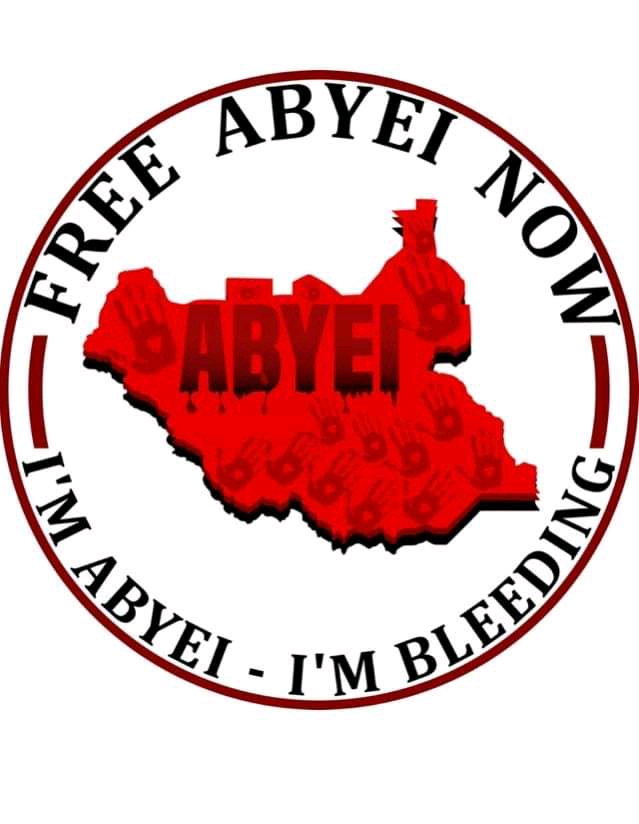
The government of South Sudan should relocate innocent civilians of Abyei to a safe environment rather than dying always without gaps. For God and my country. #FreeAbyeiFromBleeding!
"A tongue is a good weapon". The writer is Keda-Keda Ken Malek Yiäth Yenakan! Ken Kuel Ayii yenakan. Brown Akoon Yel Dut, living in Rummarial, South Sudan. He can be reached
Newer articles:
- The Secret Agreement between Gola Boyoi and SPLM IO leader Dr. Riek Machar Teny - 04/05/2020 11:36
- Puot Gatduel shouldn't blame Gen. Taban Deng for the political failure of his Boss ( Dr. Monytuil) - 02/05/2020 11:03
- Pending Appointment Of Hon Agel Ring Machar Into Gubernatorial Post Will Support Peace building To Warrap Community - 28/04/2020 13:29
- Hon. Agel Machar Ring Is The Right Upcoming Governor To Run Gubernatorial Post Of Warrap State - 20/04/2020 14:40
- Riek! It is mischief. Says Captain Mabior Garang De Mabior - 16/04/2020 19:53
Older news items
- Socio-Political aspect of inter-communal conflict in South Sudan’s local communities - 14/04/2020 12:01
- Sentry New Report : President’s Daughter, Defense Ministry, and Governor Linked to Mining Sector Corruption in South Sudan - 02/04/2020 19:21
- Why Are We Lofty Of Gen. Gabriel Jok Riak Makol? - 31/03/2020 14:42
- Who Will Save Gen.Gabriel Jok Riak Makol From The Hands Of Office Monsters? - 30/03/2020 20:19
- Who Should Defend South Sudan From Its Foes???? - 30/03/2020 20:08
Latest news items (all categories):
- Juba commissioner denies chasing foreigners - 07/10/2026 14:36
- Australia: 19-year-old from South Sudan arrested over a wild joy ride - 07/10/2026 14:33
- South Sudan’s aid crisis deepens as food stocks run low - 07/10/2026 14:29
- South Sudan’s Juba warns foreigners against running small-scale businesses - 07/10/2026 14:25
- Peace Dialogues foster social cohesion in Nyirol County after persisting tensions - 07/10/2026 14:23
Random articles (all categories):
- South Sudan’s Most Dangerous Path: Ethnic Nationalism — and the Case for a Civic State (Part 3) - 06/04/2026 14:24
- Indian President promises support to South Sudan in ongoing political process - 05/04/2023 06:45
- South Sudan's president replaces electoral chief three months before scheduled polls - 16/09/2026 15:56
- Chinese envoy calls for efforts to build on gains in South Sudan's political process - 16/09/2021 02:36
- Sudan coup: Military orders release of four civilian ministers - 05/11/2021 01:39
Popular articles:
- The Final Communique of SPLM-DC Third Session of the National Council - 29/03/2011 01:00 - Read 83244 times
- Roles and Definition of Political Parties - 29/04/2011 01:00 - Read 64995 times
- Agriculture in Southern Sudan: Challenges and Investment Opportunities - 06/10/2010 01:45 - Read 57691 times
- Fashoda Youth Forum Rehabilitation of Drainage Culverts in Malakal town Report - 07/08/2008 16:22 - Read 36008 times
- Creation and establishment of the Local Government Councils ( Counties ) (2) - 28/09/2011 01:00 - Read 33863 times
