
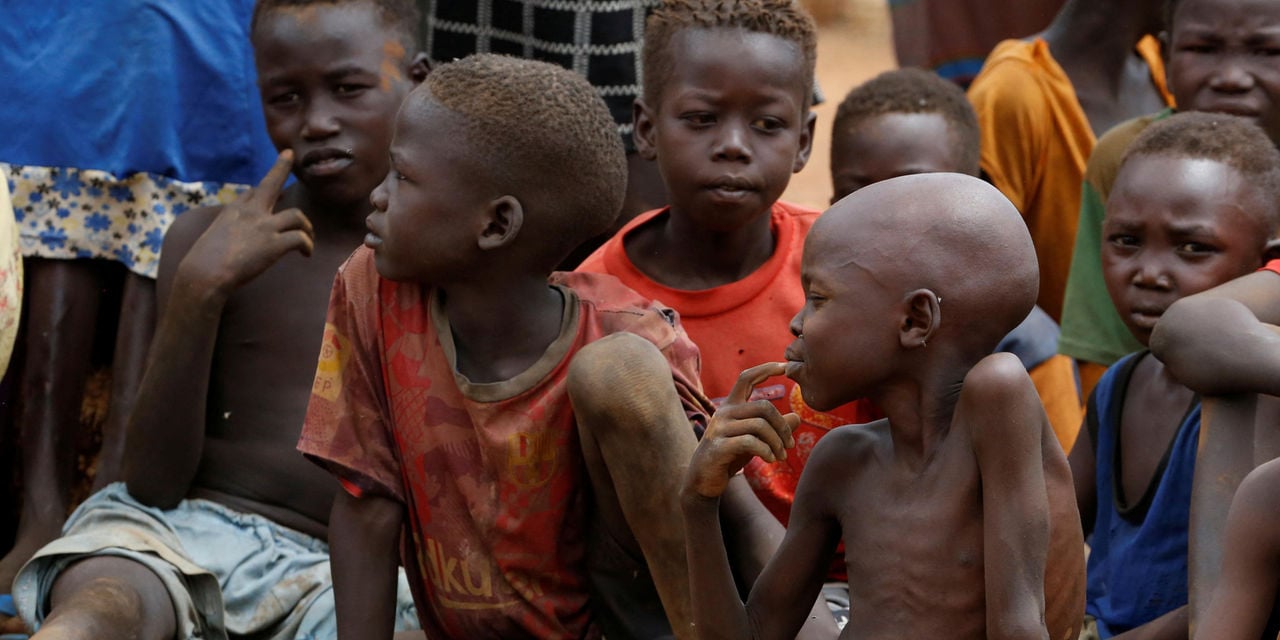
As tensions in South Sudan escalate, the humanitarian catastrophe is taking a turn for the worse. This week, relief agencies were reporting that fighting along the Nile River had blocked vital humanitarian aid from reaching more than 60,000 malnourished children in Upper Nile State—a region long pushed to the brink by poverty, conflict, and neglect. The latest escalation of violence threatens to tip an already fragile situation into tragedy.
According to the United Nations World Food Programme and Unicef, essential nutrition supplies will run out by the end of May if aid deliveries remain obstructed.
The organisations report that food-laden barges were forced to retreat to safety in mid-April due to insecurity along the Nile, a critical transport artery in the country. Roads are either impassable or non-existent, and the river is now effectively closed to the very vessels meant to bring hope.
This is not simply a logistical failure. It is a moral one. The fighting that has been raging between government forces and the White Army, an ethnic militia, since mid-March has not only cost lives and deepened political instability but has weaponized hunger.
The WFP was stark: The lives of children, hang in the balance not because food is unavailable, but because adults with long-held grievances, and foreign-supplied weapons continue to escalate a conflict that should have ended long ago.
To make matters worse, this crisis comes amid a political meltdown following the arrest of First Vice-President Riek Machar in Juba. The attendant tensions threaten to reignite the brutal civil war that ended in 2018, leaving behind 400,000 dead and millions displaced.
South Sudan’s leaders must be held accountable for dragging the nation back toward the brink. But the blame cannot lie with them alone.
The suppliers of military hardware—be they state actors or private entities—must face deeper scrutiny and international sanctions. Those who fuel conflict for profit are complicit in the suffering it causes.
The international community must make a judgement call. Mere expressions of concern are no longer enough. There must be a concerted effort to secure humanitarian corridors - whether by diplomatic pressure, peacekeeping presence, or targeted sanctions against those obstructing aid. Silence, inaction, or neutrality in the face of such cruelty is not very different from complicity.
It is shameful that humanitarian agencies have been forced to withhold aid, not because of lack of will or resources but because the delivery of food has become a potential trigger for looting, ambush, or destruction. This is the twisted logic of conflict—where warlords win and children starve.
This is the time for the combatants to show whatever remains of their humanity, by laying down arms. The time for armed posturing is over. If you claim to fight for your people, then let them live. Let the children eat. Let the mothers rest. Let the displaced return home.
And to those in the international community still hesitant to take sides, the choice is simple. It is between peace and destruction, between life and death. If the carnage and collateral damage are going to stop, the silence must also end.
Newer articles:
- Sudan says may halt South Sudan oil exports after RSF attacks - 12/05/2025 10:29
- U.S.: South Sudan Government Risks Losing Legitimacy - 12/05/2025 10:23
- South Sudan opposition forces claim capture of border areas - 12/05/2025 10:13
- Armed assailants kill 12 people, injure 17 others in South Sudan - 12/05/2025 10:08
- Consequences of attacks on health care in South Sudan - 12/05/2025 10:02
Older news items
- Attack on hospital run by Doctors Without Borders leaves at least 4 dead in South Sudan - 03/05/2025 17:35
- Reports of South Sudanese Incursion into Ethiopian Territory - 03/05/2025 17:18
- Loliha: from Kakuma Refugee Camp to winning South Sudan’s first African Games gold - 03/05/2025 15:21
- South Sudan’s President Salva Kiir Remembers Day Pope Francis Kissed his Feet in Heartfelt Tribute - 24/04/2025 16:58
- MTN Group reshuffles leadership in Rwanda, South Sudan - 24/04/2025 16:55
Latest news items (all categories):
- The Voice of Responsibility: How Young South Sudanese are Saying No to Violence Through Music, Drama, and Digital Content - 03/06/2026 16:56
- Peace fails if it is not defended. The UN’s peacekeepers cannot do this alone - 03/06/2026 16:39
- 'Brink of famine': Why South Sudan’s children are paying the price of war - 03/06/2026 16:34
- Volleyball Cranes defeat South Sudan to maintain perfect start - 03/06/2026 16:30
- 'I've seen love': South Sudan bishop applauds Canadians during first visit - 03/06/2026 16:26
See also (all categories):
Random articles (all categories):
- Christian Faith Under a Big Test in the Presbyterian Church, USA - 10/10/2011 17:52
- Sudan, S.sudan Clashes Need Urgent Attention - Abeto - AllAfrica.com - 17/04/2012 16:28
- Cameroon 0-0 South Sudan: Tito Okello makes international debut - 10/10/2020 12:25
- The marginalisation of Equatoria - 03/11/2014 19:50
- South Sudan: Four Steps to a Truce That Works - 26/01/2018 05:10
Popular articles:
- Who is the darkest person in the world, according to Guinness World Record? - 25/10/2022 02:34 - Read 145361 times
- School exam results in South Sudan show decline - 01/04/2012 17:58 - Read 27293 times
- Top 10 weakest currency exchange rates in Africa in 2023 - 19/07/2023 00:24 - Read 24531 times
- No oil in troubled waters - 25/03/2014 15:02 - Read 23908 times
- NDSU student from South Sudan receives scholarship - In-Forum - 29/09/2012 01:44 - Read 21751 times
