
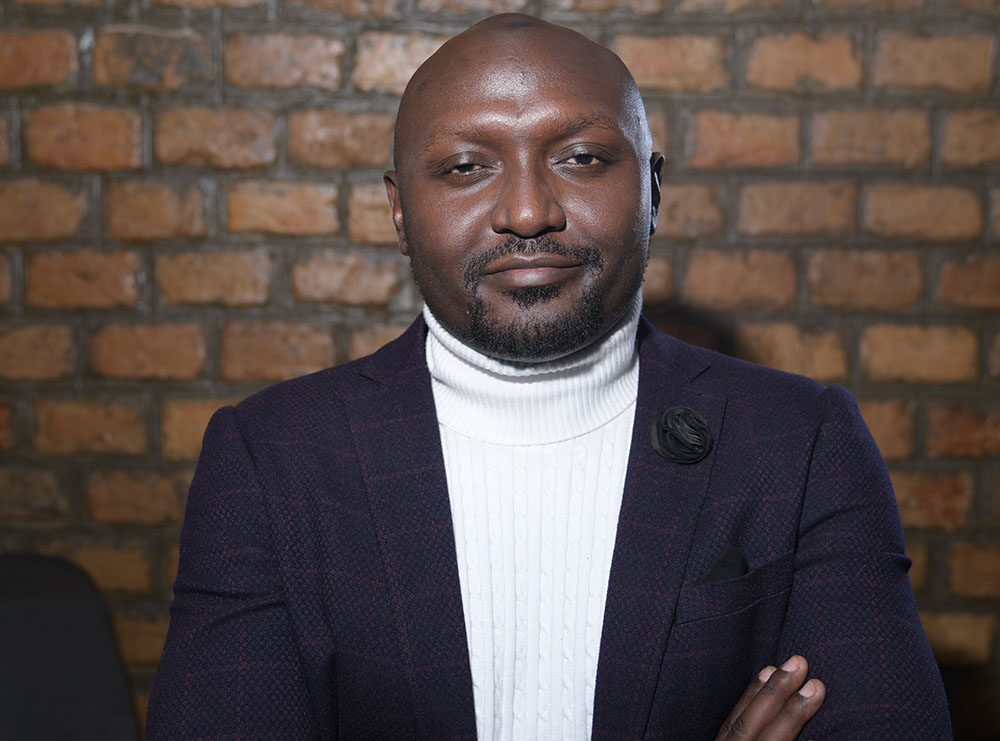
Writer: Daron Bartlett (newvision)
I read an article that painted a picture of South Sudan being in the “grip of a massive humanitarian crisis.”
We cannot hide the fact that Juba is experiencing a rough political climate, disagreements in different political camps, and other natural disasters that affect its economy but these are not unique to newborn nations.
Four years after Uganda gained independence, the then Prime Minister of Uganda Dr Milton Obote fell out with the Kabaka of Buganda Sir Edward Muteesa II who was also the President of Uganda and launched a military assault on the Kingdom which led to the fall of his regime. A number of conflicts followed until the NRA matched on the streets of Kampala after a victorious bush war that brought President Museveni to power.
Since 1986, Uganda’s security has stabilised,the economy has grown, and exercising a fair democratic process. Like Uganda, Ghana experienced so many short-lived civilian governments interfered by military rule until 1992 when they adopted a democratic rule.
Accra has held several elections and power transitions and economic growths. We can go around the continent and we shall realise that conflicts are part of the process of the development of a country especially on the African continent.
Most of these conflicts are caused by Socio-economic marginalization, authoritarian rule, and power ambitions by those who feel entitled to sit at the helm. Countries like Sudan, Mali, Chad, Libya, Guinea, Congo are facing at least more than two of these issues but managing to push the country to a progressive routine and we see a beam of light rays.
What the problem is
Rieck Machar and Salva Kiir have a fragile relationship since independence with the latter accusing his deputy for orchestrating a coup in 2013. This left loyalists to both pick arms and fight on the streets of
Juba, descending the newborn country into wars, displacing millions of people and hundreds of them losing their lives. Uganda saw a swelling number of refugees in its northern camps and had to drive in to intervene in the situation. Rieck Machar later went to exile for years but the tensions between several other military groups have remained high.
The two had several talks and finally reached an agreement to return peace to the country, which they signed before the president of Uganda, Gen Yoweri Kaguta Museveni.
However, Salva Kiir still feels there are is an issue with how this agreement was designed. In his interview with Aljazeera, he said “the problem, that we are not moving smoothly on the implementation of the agreement, is the issues in the way the agreement was designed.
And when I signed this agreement in August last year, I said this in front of the president of Uganda. I told him that this agreement was not made to be implemented.” He continues by saying “It was wrong. It was wrong because even then – to sign it was the problem. They said that if there is a wrong sentence in English, don’t correct it. Don’t put a comma or a full stop.”
What this means is that the peace in South Sudan was a result of pressure from foreign powers especially those in the region which was attained so far but Kiir isn’t satisfied with the concordat. On the other hand, the First Vice President Rieck Machar denies the pact signed in 2015 being flawed and said otherwise that he has been in frequent talks with the president on the implementation of the agreement.
The other problem that South Sudan faces is the failure to fully integrate the different rebel groups into the South Sudan People's Defence Forces formally known as Sudan People's Liberation Army. Many viewed this as a good strategy to build peace in the country but has suffered setbacks like financing the process and loyalists to leaders. Without a united army, any disagreement at the top will certainly trickle down and divide the army.
How South Sudan will win
Juba must solve the security question. The regional countries are keeping an eye on Juba and are more than willing to support the young nation realise its cause to fight for independence.
In the south, president Yoweri Museveni who witnessed the signing of the peace agreement has continued to provide security advice to the nation and ensures that it doesn’t descend into another conflict. Once the nation fully integrates all armed groups, the question of security and peace will be in the past.
With security solved, the country must focus on the growth of the economy. Today, the oil sector accounts for 70% of GDP and more than 90% of public revenues, and the rest is collected from the different other sectors.
The nation needs to diversify by expanding its revenue base by operating an open economy with its neighbours especially the East African block to allow free flow of goods and labour. Uganda makes about US$350 million and US$216 Million in exports from Kenya a year. In return, S.Sudan collects taxes from the two nations that are invested in the development of the infrastructure.
Many will say democracy should be the first thing to resolve, but I personally believe the civic exercise of democracy is for countries that have sorted out fundamental issues and already have systems in place.
Nations have developed robust systems that work and not elections. Therefore, South Sudan should not rush into elections, which will cost millions of money and most likely result in contentious issues, which can eventually slow down the country’s progress.
Writer: Daron Bartlett
Twitter: @bartlettdaron
Presenter on Urban Tv
Newer articles:
- Repairs made by South Korean peacekeepers to a 183-kilometer road in Greater Jonglei brings new hope - 12/02/2022 02:50
- Bangladesh: South Sudanese high level delegation visits Pran-RFL, Walton and Beximco manufacturing units - 12/02/2022 02:42
- Chinese medics offer respite to South Sudan's citizens grappling with ailments - 12/02/2022 01:42
- Should Bangladesh Lease Land from South Sudan? - 11/02/2022 12:20
- Murle Armed Men From South Sudan Kill One, Abduct Three Children in Cross Border Raid: Gambella State Official - 11/02/2022 11:55
Older news items
- Lakes state: 6 killed in clashes between security forces and suspected criminals - 11/02/2022 01:30
- Health ministry, partners launch ARV guidelines, data center in South Sudan - 11/02/2022 00:13
- Despite peace accord, insecurity haunts villages in South Sudan - 10/02/2022 09:38
- Sudan activists appeal for help for orphanage where 54 died - 10/02/2022 07:25
- African Union adopts Swahili as official working language - 10/02/2022 03:36
Latest news items (all categories):
- Juba commissioner denies chasing foreigners - 07/10/2026 14:36
- Australia: 19-year-old from South Sudan arrested over a wild joy ride - 07/10/2026 14:33
- South Sudan’s aid crisis deepens as food stocks run low - 07/10/2026 14:29
- South Sudan’s Juba warns foreigners against running small-scale businesses - 07/10/2026 14:25
- Peace Dialogues foster social cohesion in Nyirol County after persisting tensions - 07/10/2026 14:23
Random articles (all categories):
- Unhappy return: Sudan crisis forces South Sudanese refugees back to troubled home - 08/05/2023 09:57
- South Sudan's Kiir says jailed South African adviser William Endley and rebel group spokesman James Gatdet to be released - 31/10/2018 07:49
- Sudan seizes 2.4 mln barrels of South's oil: S.Sudan - 14/02/2012 16:59
- South Sudan Monthly Refugee & Asylum Seekers Statistical Dashboard as of 31 March 2025 - 24/04/2025 16:18
- South Sudan program means fewer girls quit school - 10/06/2013 16:08
Popular articles:
- Who is the darkest person in the world, according to Guinness World Record? - 25/10/2022 02:34 - Read 150651 times
- School exam results in South Sudan show decline - 01/04/2012 17:58 - Read 28189 times
- Top 10 weakest currency exchange rates in Africa in 2023 - 19/07/2023 00:24 - Read 25300 times
- No oil in troubled waters - 25/03/2014 15:02 - Read 24531 times
- NDSU student from South Sudan receives scholarship - In-Forum - 29/09/2012 01:44 - Read 22490 times
