
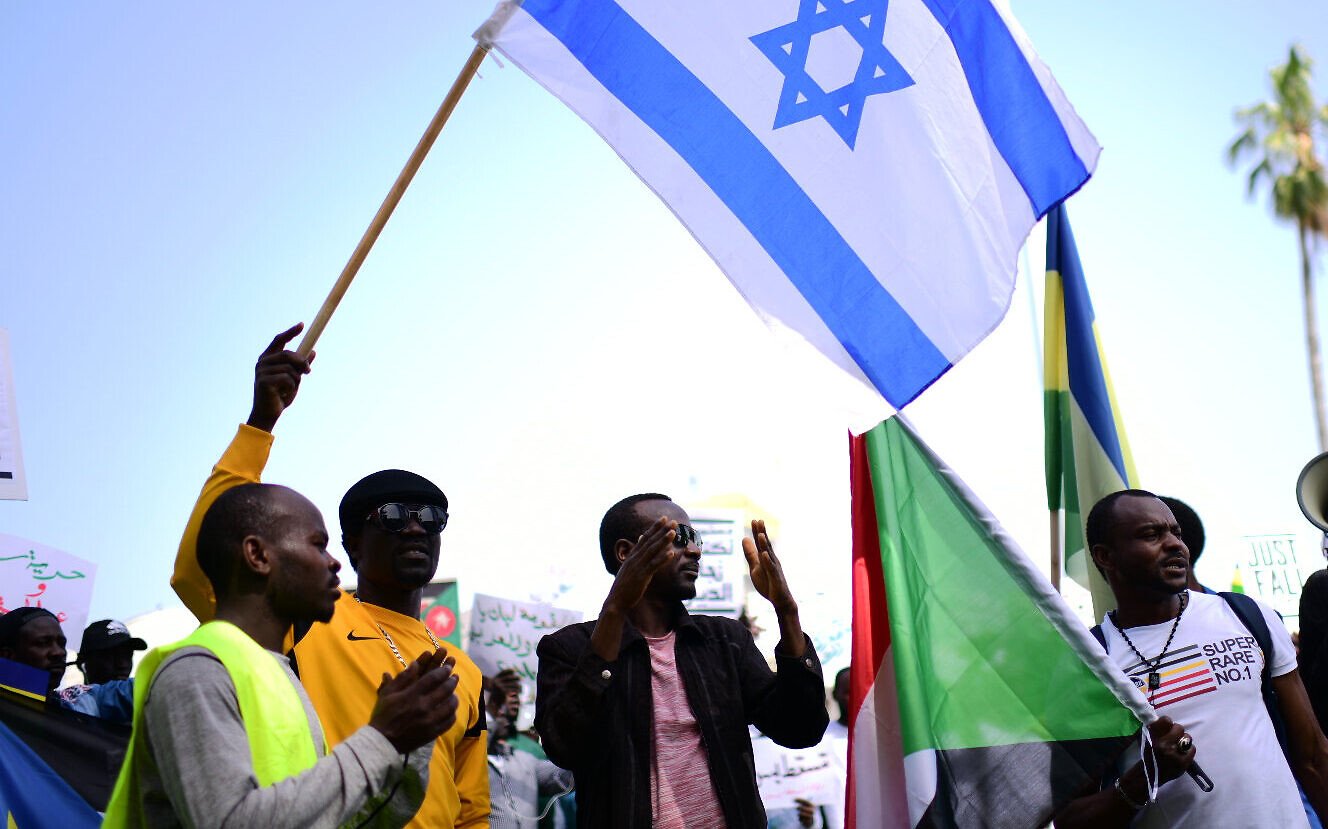
On the morning of October 7, 2023, Monim Haroun woke up to a call from a friend in Sudan.
“The Janjaweed killed my brother,” his friend exclaimed. The Janjaweed was the Sudanese Arab militia responsible for mass killings, rapes, and displacement during the Darfur genocide in the 2000s.
A Sudanese refugee living in Jerusalem, Haroun was in Chad at the time, visiting a refugee camp run by his employer, refugee aid organization HIAS. He hadn’t yet seen what was happening in Israel and initially couldn’t understand what his friend was saying.
As Haroun began scrolling through the news and saw what was unfolding in Israel, he asked his friend if by Janjaweed, he had meant Hamas. Yes, the friend replied.
The friend’s brother was Adam Mohammed Barima, a Sudanese asylum seeker who was one of some 1,200 people killed by Hamas during the October 7 invasion of southern Israel. Barima had been working as a custodian in southern Israel, where he had lived for years after fleeing Darfur following the murder of his father in a widespread genocide largely carried out by the Janjaweed.
For the roughly 6,600 Sudanese asylum seekers living in Israel, Haroun said, Hamas is the Janjaweed.
“They felt that Hamas did exactly what the Janjaweed did in Darfur and the Nuba Mountains,” he said. For many of them, the Hamas-led attacks were a reminder of the traumas they had fled.
Almost immediately, Haroun said, he began to be inundated with calls from other Sudanese living in Israel. Many wanted his help to join the Israel Defense Forces so they could fight back.
“When they couldn’t do that, they went to volunteer to support the victims and communities attacked,” he said.
For many Sudanese refugees in Israel, the Hamas attacks were only one layer of heartbreak. Gutted by October 7 and its aftermath, they have also watched helplessly as another catastrophe has unfolded back home — a brutal civil war that has once again plunged Sudan into mass killing, starvation, and displacement.
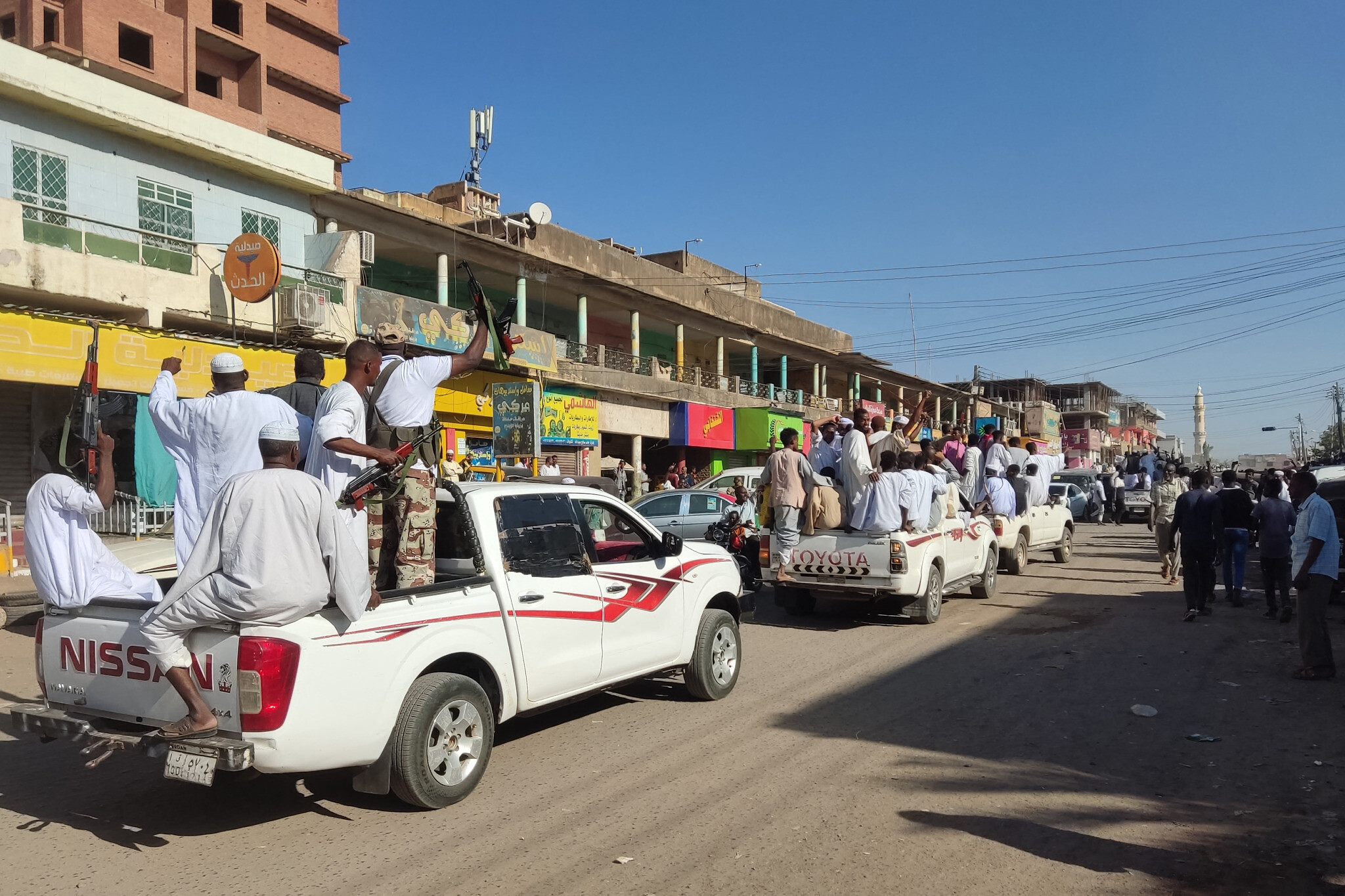
Sudanese wave weapons and chant slogans as they drive down a street to express their support for the Army in Gedaref city in war-torn Sudan on December 29, 2023. (Photo by AFP)
Compounding the trauma has been the experience of seeing the international community take up the plight of Gazans suffering in war, while the world largely ignores the war crimes once again being visited upon their friends and family with impunity.
“There is no other conflict that I can think of that is taking as many civilian lives as the crisis in Sudan,” said Haroun, who fled Darfur at age 11 during the first genocide.
Refugees from Africa began to cross into Israel in large numbers in 2005, seeking safety after fleeing persecution in their homelands and the threat of deportation from Egypt.
Nearly all hailed from Eritrea, where men are often forced into indefinite military service with slavery-like conditions, and Sudan, where war and genocide killed an estimated 300,000 people and displaced 2.5 million between 2003 and 2008.
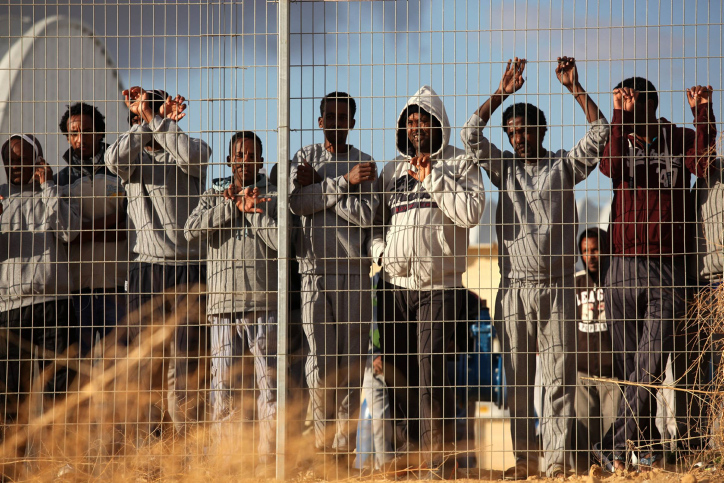
African migrants protest at the Holot detention center near Ketziot, in the Negev Desert, southern Israel, February 17, 2014. (FLASH90)
While Israel offered relative safety, most African asylum seekers were denied refugee status and instead given temporary visas that must be renewed every few months, preventing them from legally working. They experienced open hostility and discrimination from the public and politicians alike, who branded them as “infiltrators.”
By 2013, a fortified fence erected by Israel along its border with Egypt had halted the entry of asylum seekers altogether, effectively sealing off one of the only routes to safety for people fleeing genocide and authoritarianism.
The violence continues
Since April 2023, Sudan has been torn apart by fighting between the Sudanese Armed Forces, or SAF, and the paramilitary Rapid Support Forces, or RSF, led by former Janjaweed commander Mohamed Hamdan Dagalo. The renewed violence has unleashed what many now describe as the world’s worst humanitarian crisis, with mass killings, famine, and forcible displacements at scales that dwarf Gaza’s but receive only a fraction of the attention.
According to the UN, more than 150,000 people have been killed directly since the conflict broke out in April 2023, though aid agencies warn the true death toll is far higher.
The crisis has triggered the largest displacement crisis in the world, with over 11 million people forced from their homes: 8.6 million inside Sudan and more than 3 million across borders into Chad, South Sudan, and Egypt. The International Rescue Committee calls it “the largest and fastest displacement crisis on record.”
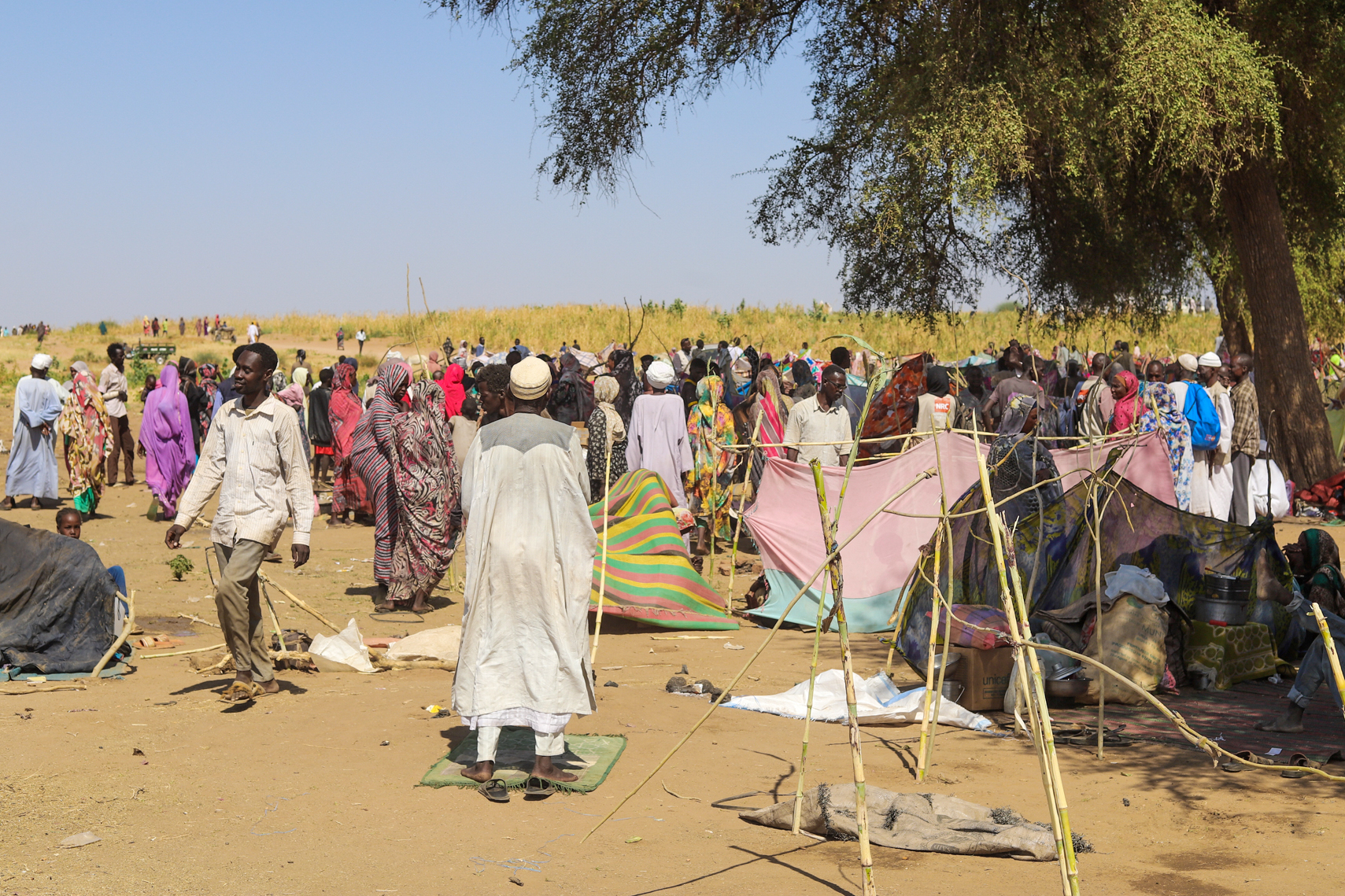
Sudanese who fled el-Fasher city, after Sudan’s paramilitary forces killed hundreds of people in the western Darfur region, gather at their camp in Tawila, Sudan, October 29, 2025. (AP Photo/Muhnnad Adam)
Recent days have seen the situation deteriorate even further, with reports of mass killings accompanying news of the RSF’s capture of the city of El Fasher in Darfur on Wednesday, after an 18-month siege.
The UN said on Monday it had received “appalling” reports of executions, sexual violence, and attacks on civilians by the RSF in recent days.
The Joint Forces – who are allied with Sudan’s army – accused the RSF on Tuesday of executing more than 2,000 unarmed civilians in recent days.
“The level and scale of the horror I have witnessed from survivors who made it to Chad, and the reports I receive daily from people on the ground, are just horrifying,” said Haroun, who now leads the Advocacy and Partnership Department at HIAS Israel, supporting refugees, including those displaced by the 2023 civil war.
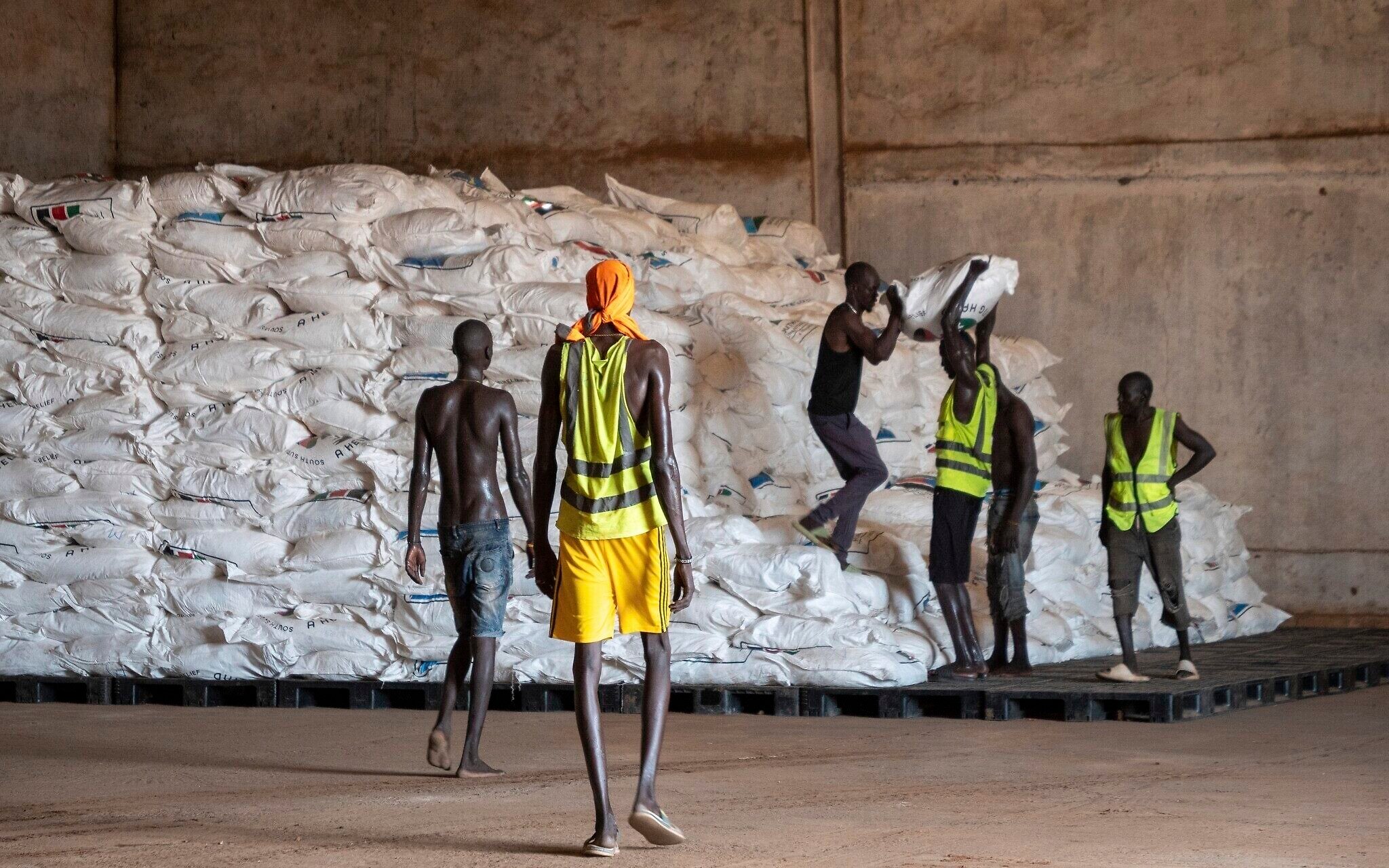
Workers load food aid onto a Fogbow truck as part of an aid program operated by retired American military officers at an airport in Juba, South Sudan, June 9, 2025. (AP Photo/ Florence Miettaux)
Civilians are “trapped” between three deadly elements: violence, disease, and starvation, he said.
Both the SAF and RSF strike heavily populated areas, sometimes targeting specific ethnic groups. Reports from Darfur and Kordofan describe entire communities wiped out. From February to May 2025 alone, massacres reported in White Nile state, North Darfur and El Fasher left over 1,500 people dead. The RSF has been accused of carrying out atrocities amounting to genocide against the Masalit people in Sudan.
The alleged targeting of hospitals and other infrastructure, and a lack of medical equipment, have made disease rampant, according to Haroun.
“Refugees told me they passed masses of dead bodies on the streets on the way to Chad. Outbreaks of cholera and measles are killing people every day,” he said.
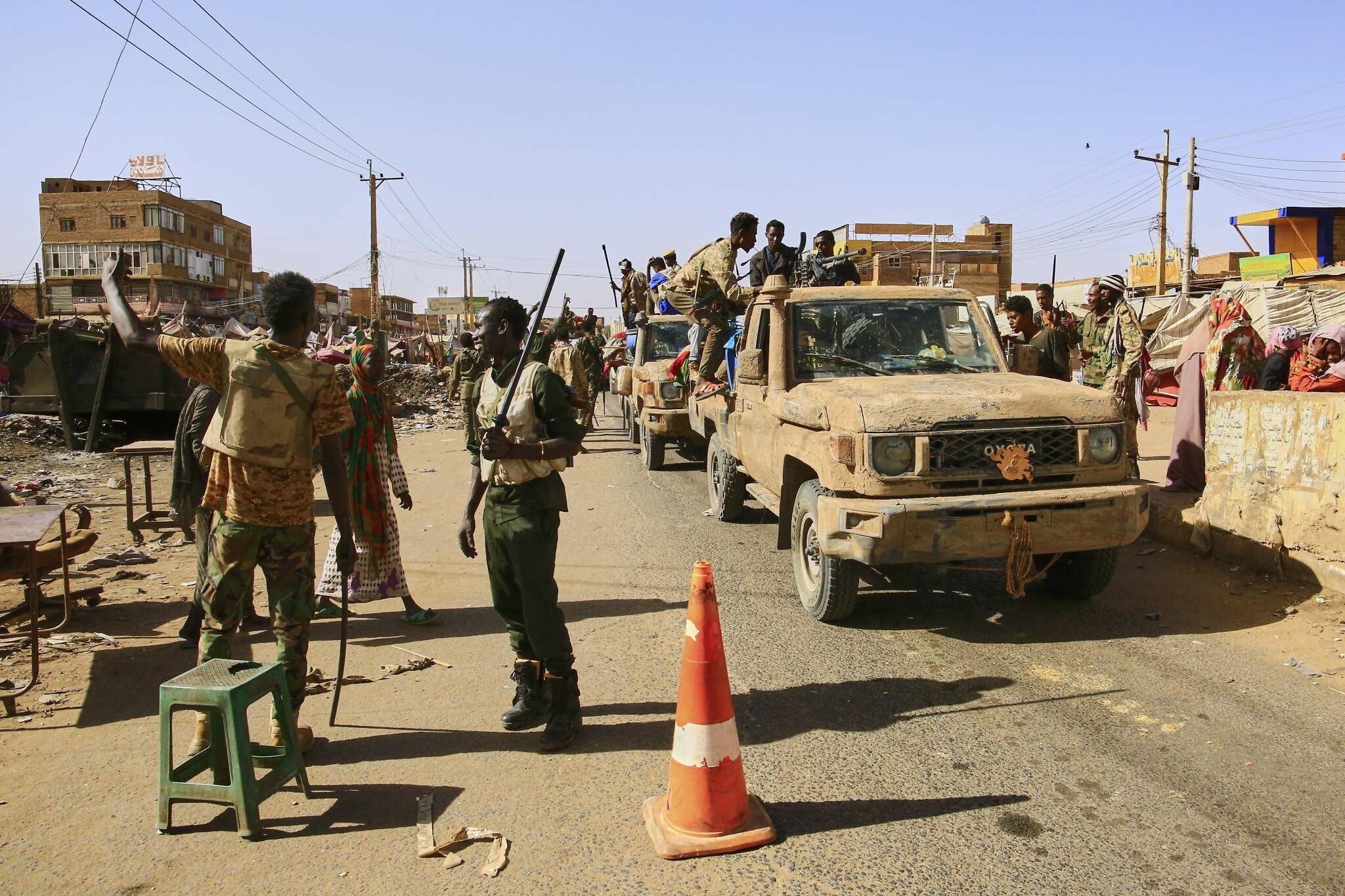
Soldiers arrive to the Allafah market, in an area recently recaptured by Sudan’s army from the Rapid Support Forces paramilitary group, in the Al Kalalah district, 40km south of Khartoum, Sudan, March 27, 2025. (AP Photo)
The war has also destroyed agriculture, which the population is heavily dependent on. According to the Integrated Food Security Phase Classification, nearly 25 million people — two-thirds of Sudan’s population — face extreme hunger or famine, including 16 million children. Children are already reported to be dying in Zamzam camp in North Darfur and in the Nuba Mountains.
The world isn’t watching
Despite the unprecedented scale and human toll of the disaster in Sudan, the international response has been strikingly muted. Media coverage has been sparse, and public engagement has been minimal, with few protests, petitions, or campaigns drawing attention to the crisis. Transnational efforts to halt the conflict or provide meaningful intervention have been limited at best, and coordinated action among governments and global organizations has remained largely absent.
In a joint statement in September, the Norwegian Refugee Council, Danish Refugee Council, and Mercy Corps charged that Sudanese civilians were dying of hunger amid a “deafening silence” from the international community.
“The level of suffering endured by the Sudanese people in recent months is impossible to express with words alone,” the groups said, warning that the UN’s humanitarian response plan is only 41 percent funded.
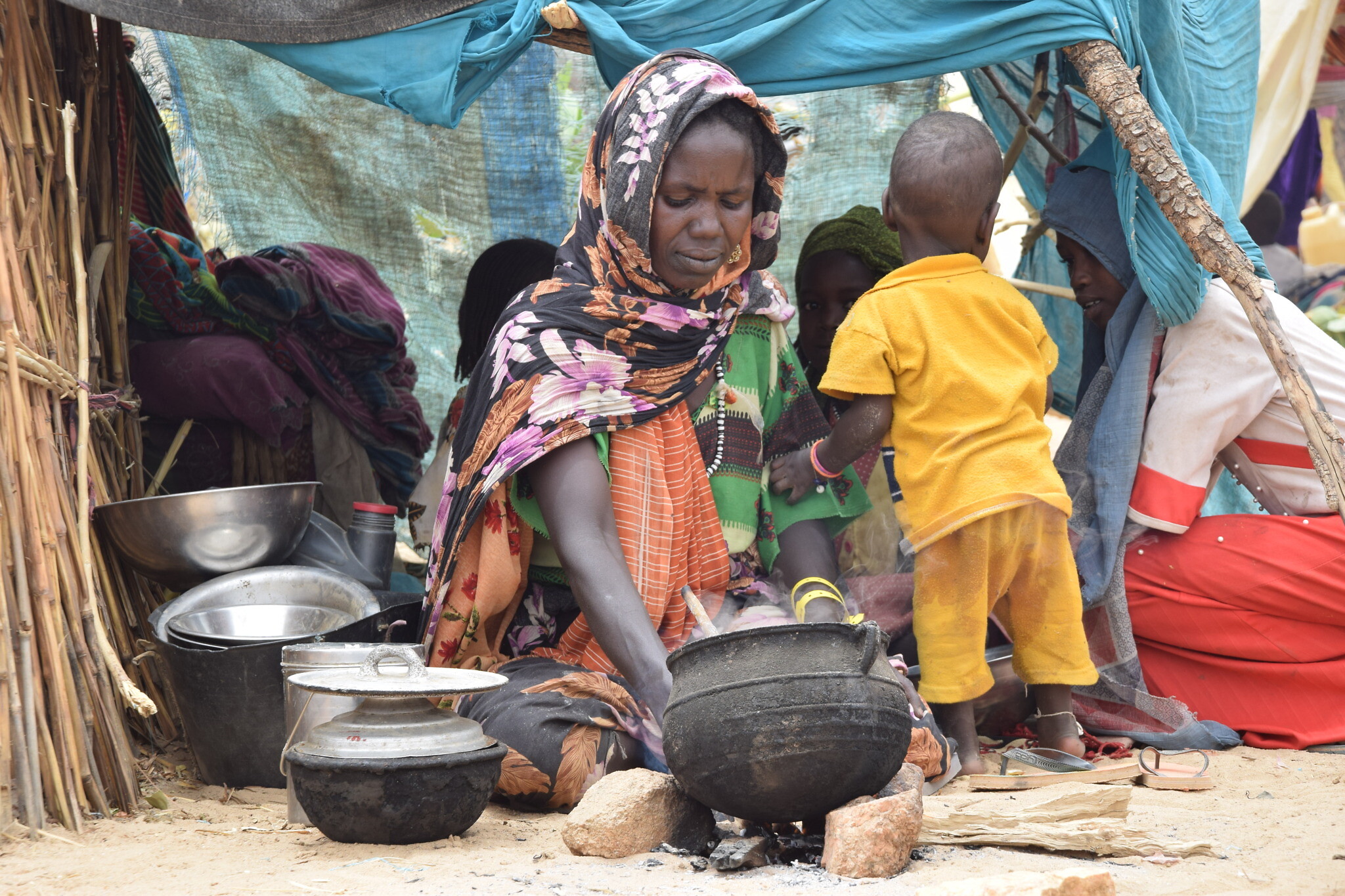
A Sudanese refugee who crossed into Chad cooks a meal in a makeshift shelter at a camp in Koufroun, near Echbara, on May 1, 2023. (Photo by Gueipeur Denis SASSOU / AFP)
While the UN’s Independent Fact-Finding Mission has accused both the RSF and SAF of widespread war crimes and crimes against humanity, including extermination and persecution, it stopped short of declaring genocide, saying it lacked conclusive evidence of the specific intent required under international law.
“People are dying of hunger every day, and yet the focus remains on semantic debates and legal definitions,” the statement read.
Anwar Suliman, a Sudanese refugee who has lived in Israel since 2008, finds the world’s evident lack of interest in the crisis engulfing Sudan painful. He fled the genocide in Darfur in 2003, and said that what’s going on now feels worse in some ways.
“When I fled Sudan in 2003, the world was watching. People contributed, helped, and gave everything they could. Today, seven years later, nothing. It’s hidden, ignored,” he said. “No one is talking about it, as if it doesn’t interest anyone.”
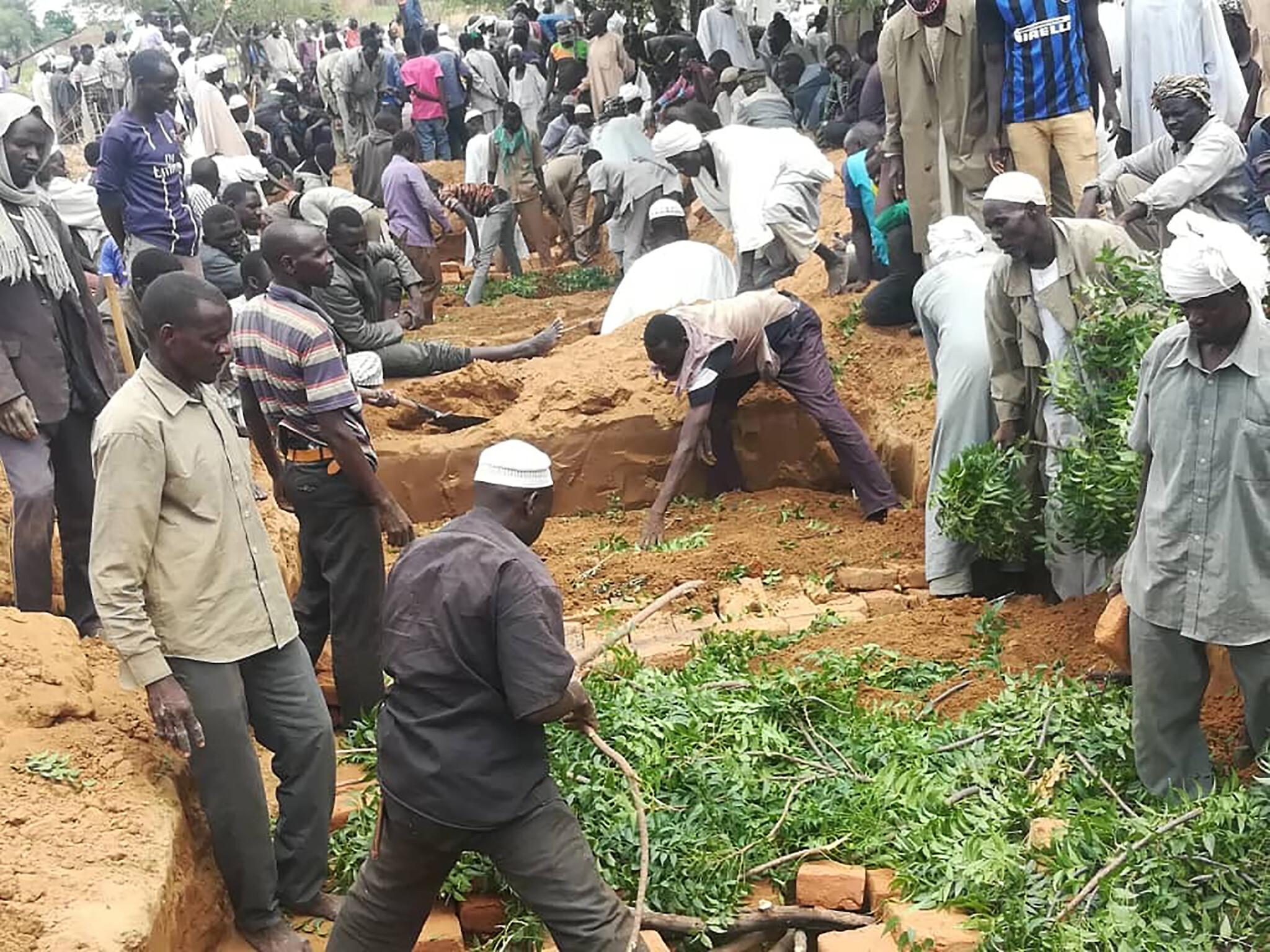
Residents dig a mass grave for victims of an attack that left over 60 dead in the village of Masteri in west Darfur, Sudan on July 27, 2020. (Mustafa Younes via AP)
He finds the world’s silence baffling and hurtful, particularly the lack of media coverage. “I still can’t really understand it. Why are they hiding it? The international community and media don’t seem to care about what’s going on in Sudan.”
Some Sudanese argue that the fact that Sudan’s catastrophe, described by aid agencies as the world’s worst humanitarian crisis, has unfolded in near-silence is in part because the war in Gaza has consumed international headlines and attention, despite its comparatively lower casualty and death toll.
The Hamas-run Gaza health ministry has said that more than 66,000 people in the Strip have been killed or are presumed dead — though the toll cannot be verified and does not differentiate between civilians and fighters — since the Hamas onslaught of October 7, 2023, that killed some 1,200 people in Israel and saw another 251 taken hostage, sparking the war in Gaza.
Since then, South Africa initiated proceedings against Israel at the International Court of Justice, alleging that the Jewish state was perpetrating a genocide against the Palestinian residents of the territory, joined by numerous organizations and a UN commission of inquiry, which has accused Israel of committing the same crime.
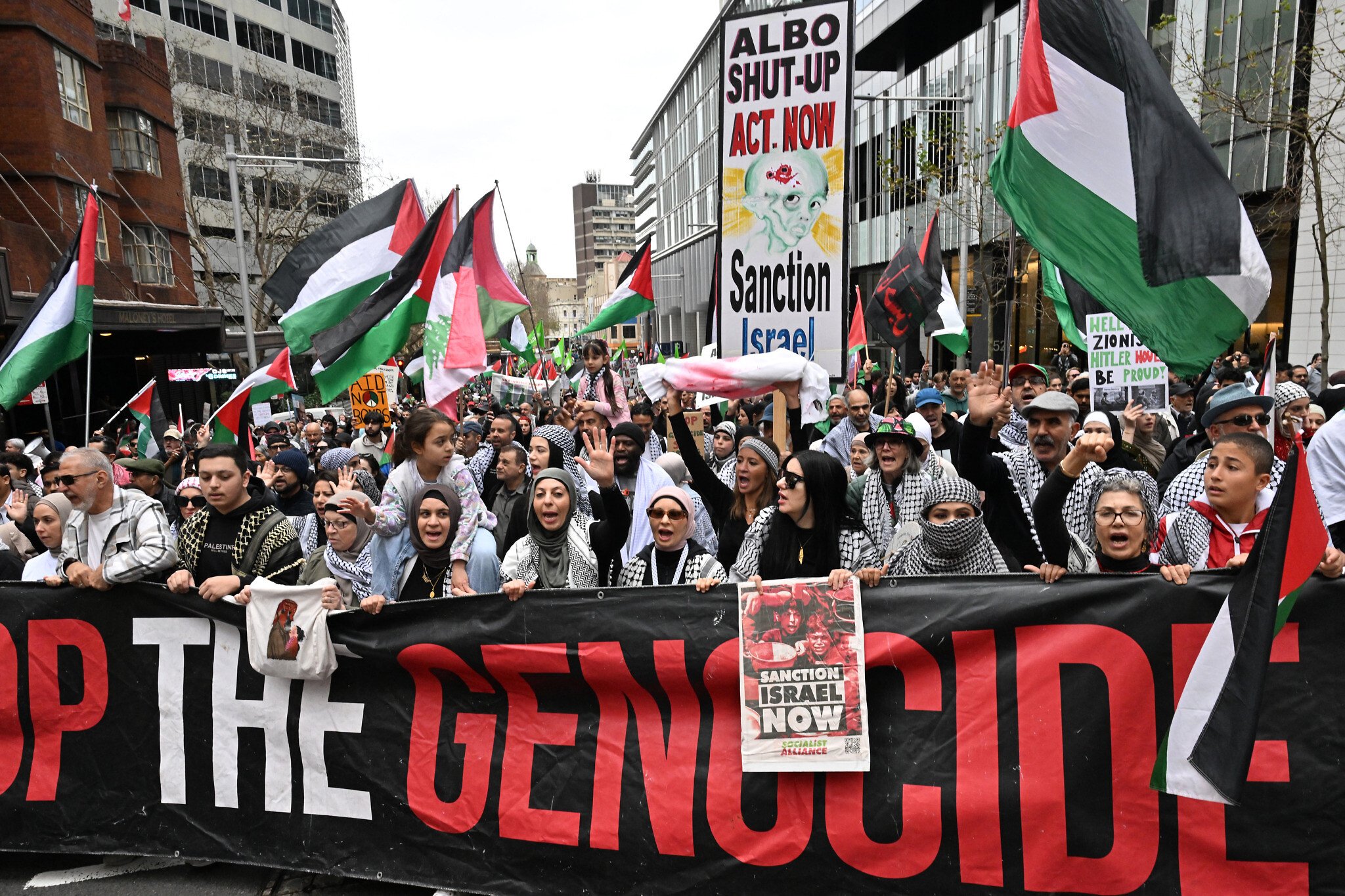
Demonstrators take part in a pro-Palestinian, anti-Israel rally against the Israel-Hamas war in the Gaza Strip during a protest in Sydney’s central business district on August 24, 2025. (Saeed KHAN / AFP)
Israel has vehemently denied charges of genocide in Gaza, insisted it makes every effort to avoid harming civilians, and blamed Hamas for their deaths because the terror group’s fighters operate out of densely populated areas.
Many Israelis and Jews see the lack of international interest in Sudan, as compared to the world’s intense focus on Gaza, as clear evidence of a double standard rooted in anti-Israel bias, if not outright antisemitism.
That Sudan’s crisis — with far more deaths, displacement, and destruction — receives minimal attention reinforces the perception among them that global outrage is fueled not by concern for those suffering, but by a deep-seated preoccupation with vilifying Israel.
Among both Israelis and Sudanese, the selective attention to suffering reveals a pattern: Moral outrage is heavily conditioned by the identities of victims and perpetrators.
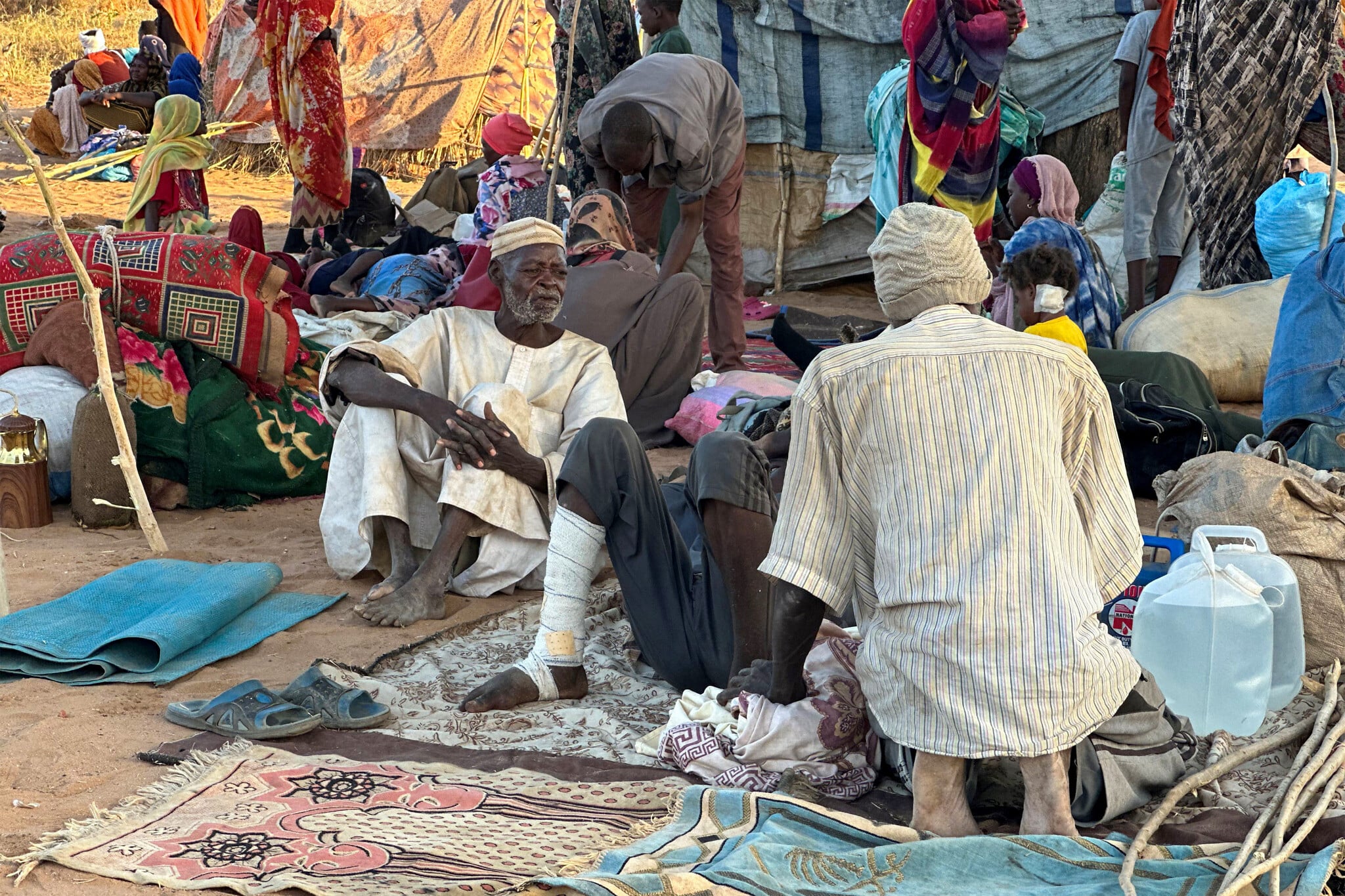
Displaced Sudanese who fled El-Fasher after the city fell to the Rapid Support Forces (RSF), rest near the town of Tawila in war-torn Sudan’s western Darfur region on October 28, 2025. (AFP)
Yet where many Israel supporters see hatred for the Jewish state as behind the disproportionate attention given to a conflict with only a fraction of Sudan’s deaths, Haroun, Suliman, and other Sudanese view it as a racist disregard for the lives of Black Africans.
“The whole world cares less about Black Africans. If we were a different color, maybe there would be more support. The media and global focus are on crises in Ukraine, Gaza, and Israel, partly because people identify with and care more about these people than they do with Black Africans,” Haroun said.
A Sudanese source who preferred anonymity to discuss the matter frankly said the discrimination extends to the Muslim and Arab world, by whom Sudanese feel particularly abandoned. Even though Black Sudanese are primarily Muslims and Arabic speakers, there has been almost no outcry from the same states that have been so vocal regarding the plight of Palestinians in Gaza.
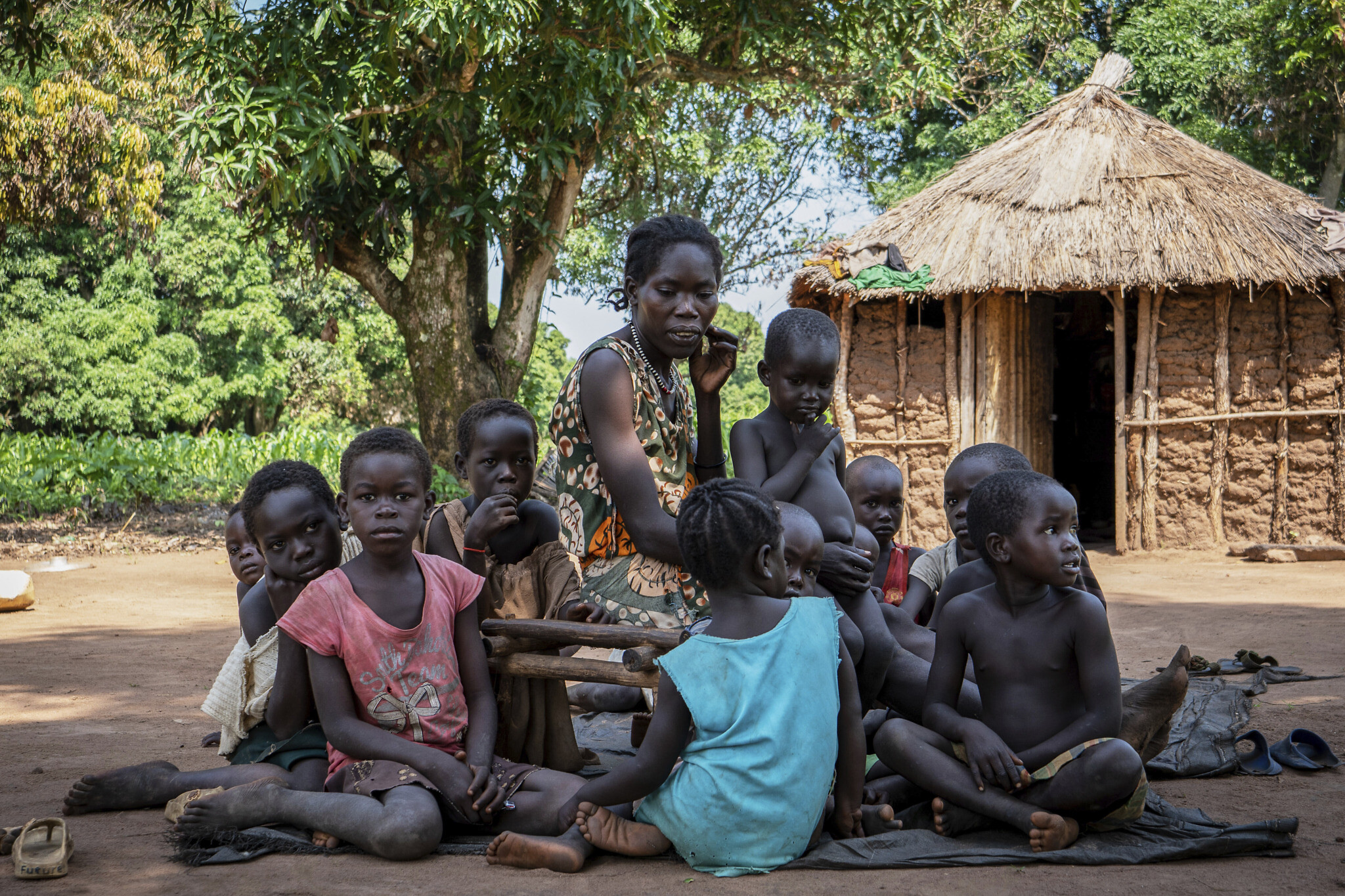
Vobia Kawaja, a 34-year-old mother of five, sits outside her home with her children and neighbors’ children in Kotobi, Mundri West County, South Sudan, June 26, 2025. (AP/Florence Miettaux)
This is exacerbated by the fraught relationship Sudanese already feel with the Arab world, in part due to the genocide in Darfur, which was carried out by Arab militias against indigenous Black communities, and the support of the United Arab Emirates for the RSF, a charge the UAE denies.
In March, Sudan sued the UAE at the International Court of Justice, accusing it of backing the RSF with arms, funds, and political support and of complicity in genocide against the Masalit people.
The UAE dismissed the allegations as “a cynical publicity stunt,” and in May, the ICJ threw out the case, saying it lacked jurisdiction since the UAE had rejected its authority under the Genocide Convention.
The source said the general lack of interest shown by the Muslim world for Black Africans is “deeply pervasive and rooted” in anti-Black racism from the history of Arab imperialism in Africa and the trans-Saharan slave trade.
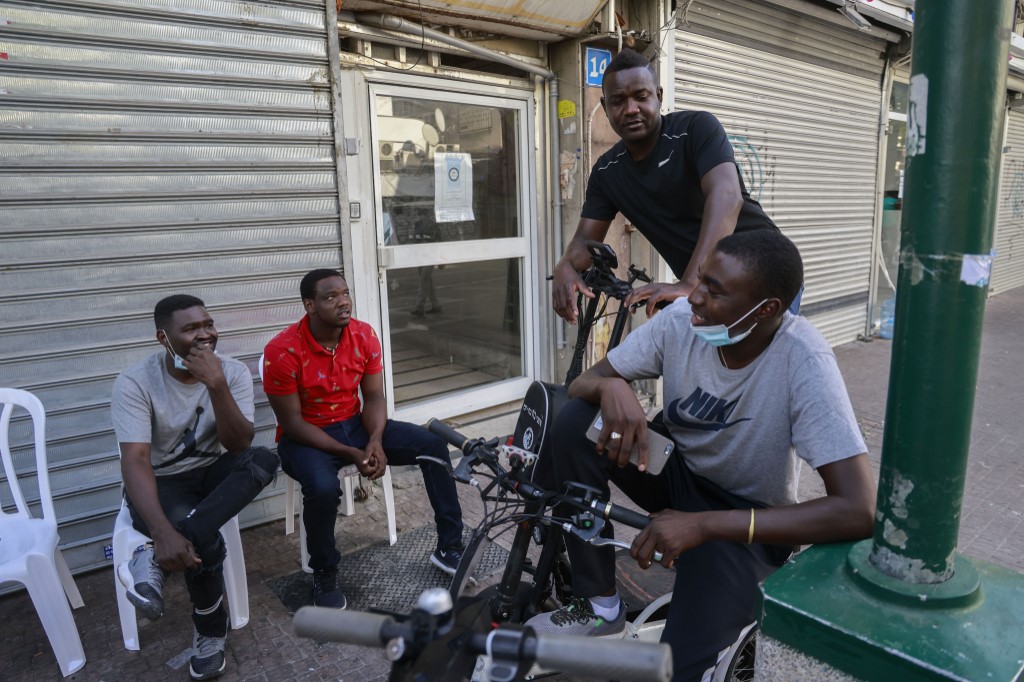
Sudanese asylum seekers gather on October 25, 2020 in an area in the southern part of Tel Aviv where thousands of them live. (Menahem Kahana/AFP)
“The only racism from individuals that I’ve experienced here has been from Palestinians,” said the source, who lives in Israel. “They assume I don’t speak Arabic and insult me in front of me, including questioning whether I’m a true Muslim because I’m Black. Even at the mosque.”
Blacks, including a community of tens of thousands of Afro-Palestinians, have long complained of discrimination by Palestinians, with derogatory terms like abeed, meaning slaves, still in common use. Israelis have also been accused of racism toward Blacks, including continued use of the racist term “kushi.”
Adding insult to injury, the SAF-backed Sudanese government has been forcing citizens to donate money to Gaza, according to Haroun.
“The government is killing us; our people are starving. Why are we supposed to give our money to Palestinians in Gaza?” the source asked.
The lesson for the Sudanese community has been to not rely on the international community, including their coreligionists, for anything, Suliman stressed.
“Our people are learning to rely on themselves. We organize, donate, and support each other financially and through the media,” he said. “The international community may not act, but our people do. It’s not enough, but it’s something.”
Newer articles:
- Qatar Chamber Discusses Trade, Investment Cooperation with Malawi, South Sudan - 07/11/2025 12:39
- US cancels South Sudan protected status - 07/11/2025 12:06
- South Sudan U-17 Team Kicks Off Training After MRI Tests - 07/11/2025 11:56
- UN China Celebrates Chinese Peacekeepers in South Sudan Even as Questions Linger Over What Was Achieved - 07/11/2025 11:51
- Concern grows for South Sudanese political pundit detained in Dubai - 03/11/2025 21:17
Older news items
- US Aid Cuts: They were promised a lifeline to 'graduate' from poverty. Then it was taken away - 03/11/2025 21:03
- South Sudan at risk of return to war, UN investigators warn - 30/10/2025 12:34
- South Sudan’s blind footballers chase Paralympic dream - 30/10/2025 12:30
- ‘They killed civilians in their beds’: chaos and brutality reign after fall of El Fasher - 30/10/2025 12:20
- Sudan army withdraws from Darfur’s el-Fasher, UN warns of RSF atrocities - 28/10/2025 11:27
Latest news items (all categories):
- Why Kenya-South Sudan trade corridor remains unfinished despite years of promises - 28/08/2026 12:44
- UN says floods displace 168 families, damage 271 homes in southern Sudan - 28/08/2026 12:41
- Pace, space, and shooting: How South Sudan edged hard-fighting Guinea - 28/08/2026 12:36
- South Sudan Nexus Digest Issue #2 | June - July 2026 - 28/08/2026 12:35
- مجلس الأمن يدين هجوماً على بعثة حفظ السلام في جنوب السودان - 28/08/2026 12:32
See also (all categories):
Random articles (all categories):
- Egypt's ambassador in Juba confers with South Sudan parliamentary affairs min. on joint ties - 11/02/2023 06:05
- Feature: South Sudan's peace mediation in Khartoum heralds improved ties, experts - 14/09/2019 09:36
- President Kiir signs South Sudan’s Compact on Water and Sanitation - 08/06/2024 16:11
- The Sentry Urges Kenyan and Ugandan Authorities to Target Real Estate Connected to South Sudan Officials - 13/06/2018 08:44
- Yida refugee camp flooded with North Sudanese - msnbc.com (blog) - 04/07/2012 22:45
Popular articles:
- Who is the darkest person in the world, according to Guinness World Record? - 25/10/2022 02:34 - Read 148939 times
- School exam results in South Sudan show decline - 01/04/2012 17:58 - Read 28008 times
- Top 10 weakest currency exchange rates in Africa in 2023 - 19/07/2023 00:24 - Read 25088 times
- No oil in troubled waters - 25/03/2014 15:02 - Read 24397 times
- NDSU student from South Sudan receives scholarship - In-Forum - 29/09/2012 01:44 - Read 22344 times
