
(radiotamazuj.org)
As South Sudan eagerly approaches the 2024 elections, it stands at a linguistic crossroads, navigating a rich tapestry of over 60 indigenous languages. With a deep commitment to highlighting the role of language and community-based radio broadcasting, I embarked on a journey to explore the impact of these elements on South Sudan’s electoral process.
South Sudan, a nation forged through determination and dedication, proudly embraces a cultural heritage woven into its linguistic diversity. Each indigenous language represents a unique facet of the country’s identity, underscoring the need to amplify their role in cultivating a fair, inclusive, and democratic electoral system.
Recognizing the importance of linguistic inclusion, South Sudan has taken significant strides to promote language diversity within its electoral framework. Initiatives have been launched to ensure citizens can exercise their democratic rights in a language that resonates with them deeply. The overarching goal is to bridge communication gaps and foster voter engagement across the nation.
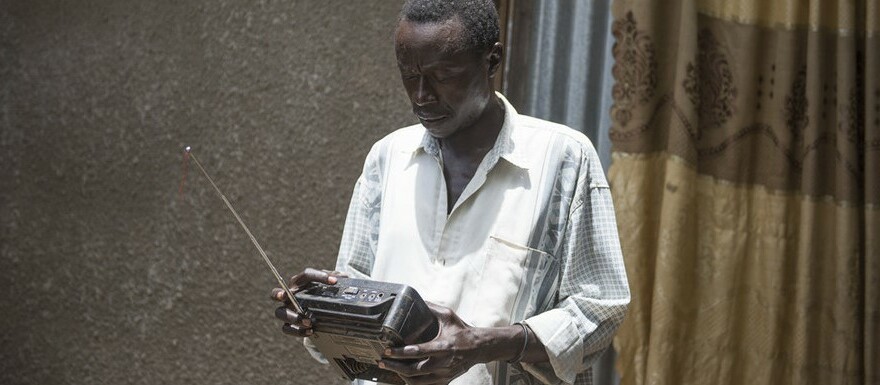
At the forefront of this linguistic revolution is community-based radio broadcasting. Sprouting up in various regions across South Sudan, these radio stations serve as democracy catalysts, empowering local communities through informative and participatory programming. By broadcasting in indigenous languages, they actively engage citizens, educating them on electoral processes, voter registration, candidates, and policies, thus ensuring a well-informed electorate.
Entering one of these community-based radio stations, I encountered a vibrant hub of activity. The air buzzed with voices conversing in multiple languages, each sharing stories and information to empower South Sudanese citizens in making informed decisions on election day. Radio hosts, listeners, and guests connected through a shared love for their language and its transformative impact on the democratic landscape of their nation.
Conversations with individuals in different regions unveiled a profound sense of pride in the indispensability of their vernacular in the electoral process. Many emphasized how receiving information in their native language made them feel heard, understood, and empowered as active contributors to South Sudan's democracy. It became evident that language played a pivotal role in their connection to political proceedings and overall political engagement.
Despite these positive strides, challenges persist in fully harnessing the potential of languages and community-based radio broadcasting. Limited resources, infrastructural deficiencies, and the need for further training pose obstacles to widespread implementation. Ensuring equitable access to information and electoral education remains a pressing concern. Nevertheless, the unwavering determination of South Sudan's citizens and the commitment of their government provide hope for progress in the years to come.
As South Sudan gears up for the 2024 elections, the convergence of language and information accessibility emerges as a pivotal aspect of the nation's trajectory. In this crucial time, the collective will of every citizen, irrespective of their language or cultural background, is poised to be harnessed and nurtured. Together, South Sudanese citizens aspire to construct a democratic future where diversity is celebrated, languages are respected, and every voice resonates for a better tomorrow.
The upcoming elections in 2024 mark a significant juncture for South Sudan, where the influential role of indigenous languages, including those spoken by major tribes such as Dinka, Azande, Bari, Nuer, Luo and Arabic in Juba, takes center stage. These vernacular languages, deeply embedded in the cultural fabric of the nation, hold the potential to foster peace, shape constitutions, and now, play a crucial role in informing and updating citizens about the electoral process in their own local languages.
Throughout history, South Sudan has experienced the substantial participation of various indigenous languages in critical moments of the nation’s development. From peace negotiations to constitution-making processes, the multilingual landscape has presented both a challenge and an opportunity for facilitating meaningful dialogue and inclusivity. The diversified linguistic tapestry, with its varied worldviews, has contributed to a more comprehensive representation of the nation’s aspirations.
Building upon the lessons of the past, South Sudan recognizes the power of language in strengthening democracy and upholding the rights of every citizen. The forthcoming elections provide an opportune moment for indigenous vernacular radio stations to shine as beacons of information and conduits of democratic discourse.
In the heart of South Sudan, vernacular radio stations flourish as vital channels of communication, catering to the diverse linguistic needs of local communities. Broadcasting in the languages of major tribes and communities, these stations serve as invaluable instruments in informing citizens about the electoral process. By capturing the nuances, cultural intricacies, and aspirations of each language group, these radio stations foster a sense of belonging, awareness, and ownership of the democratic proceedings.
Picture tuning in to a Dinka language radio station, where passionate discussions unfold about the candidates, their policies, and the transformative power of elections. Envision a Zande radio anchor, their voice resonating through the airwaves, connecting with listeners and imparting knowledge about voter registration and polling stations. Imagine a Nuer radio show, engaging listeners in lively debates on the significance of transparency and accountability in the electoral process. Each station, in its distinct tongue, contributes to a vibrant tapestry of democratic discourse.
The Arabic language in Juba, often referred to as the lingua franca, plays a crucial role in fostering communication and understanding among diverse language groups. It acts as a unifying force, breaking down linguistic barriers and creating connections between communities, thereby promoting collaboration and a shared vision for a peaceful electoral journey.
Despite the crucial role played by vernacular radio stations, challenges persist. Limited resources, technological gaps, and the need for financial support hinder their full potential. To address these issues, continued investment and support from both governmental and non-governmental entities are essential. Strengthening their infrastructure, expanding their reach, and ensuring the provision of accurate and unbiased information to all citizens require sustained commitment.
As the 2024 elections draw closer, South Sudan embarks on a democratic journey propelled by the power of indigenous languages and vernacular radio broadcasting. This moment offers an opportunity to celebrate the richness of linguistic diversity, acknowledge the heritage and wisdom embedded in each tongue, and empower citizens to actively participate in shaping the future of their nation.
In this pivotal moment, the synergy between language, democracy, and informed participation converges, heralding a transformative era for South Sudan. Through the collective embrace of indigenous languages, the nation embarks on a journey where every citizen's voice, culture, and aspirations find expression, laying the foundation for a more inclusive and representative democracy.
The author, Emmanuel Malual Makuach, is a South Sudanese journalist and researcher on the role of social media triggering conflicts in 2013 and 2016 in South Sudan. He can be reached at
The opinions expressed in this article are solely those of the author, and the responsibility for the veracity of any claims made rests with the author, not Radio Tamazuj.
References
- ^
This email address is being protected from spambots. You need JavaScript enabled to view it. (www.bing.com)
Newer articles:
- RSF levies inflate crop prices in North Kordofan capital - 05/12/2023 03:47
- Sudan: Cholera outbreak Flash Update No. 4, As of 4 December 2023 - 05/12/2023 03:40
- Some 75pc of East Africans born of war are out there; let's give them passports - 05/12/2023 01:46
- Africa fashion week opens in Kenya to showcase indigenous costumes - 05/12/2023 00:37
- Machar cries foul over South Sudan polls body composition - 04/12/2023 08:11
Older news items
- IGAD Plans Summit on Sudan in December, Amid Fresh Violence - 04/12/2023 03:37
- Sudan: Civilians suffering ‘unimaginable horror’ amid ethnically motivated violence in Darfur - 04/12/2023 03:28
- Tanzania: At least 47 dead and 85 injured after heavy rain and landslides - 04/12/2023 01:51
- Africa's hydropower plants set for upgrades to boost generation - 04/12/2023 01:12
- Explainer-What new OPEC+ oil output cuts are in place after Thursday deal - 04/12/2023 00:57
Latest news items (all categories):
- The Voice of Responsibility: How Young South Sudanese are Saying No to Violence Through Music, Drama, and Digital Content - 03/06/2026 16:56
- Peace fails if it is not defended. The UN’s peacekeepers cannot do this alone - 03/06/2026 16:39
- 'Brink of famine': Why South Sudan’s children are paying the price of war - 03/06/2026 16:34
- Volleyball Cranes defeat South Sudan to maintain perfect start - 03/06/2026 16:30
- 'I've seen love': South Sudan bishop applauds Canadians during first visit - 03/06/2026 16:26
Random articles (all categories):
- South Sudan back to Slavery - 09/04/2010 11:02
- Disease, Malnutrition Plague Growing South Sudan Refugee Camp - Voice of America - 27/08/2012 21:02
- Egypt, South Sudan discuss oil, gas cooperation - 08/09/2019 11:52
- South Sudan's peace monitors urge parties not to lose track on peace process - 17/12/2020 07:13
- UNICEF lauds release of seven children by armed groups in South Sudan - 20/11/2021 10:17
Popular articles:
- Who is the darkest person in the world, according to Guinness World Record? - 25/10/2022 02:34 - Read 145356 times
- School exam results in South Sudan show decline - 01/04/2012 17:58 - Read 27291 times
- Top 10 weakest currency exchange rates in Africa in 2023 - 19/07/2023 00:24 - Read 24530 times
- No oil in troubled waters - 25/03/2014 15:02 - Read 23907 times
- NDSU student from South Sudan receives scholarship - In-Forum - 29/09/2012 01:44 - Read 21751 times
