
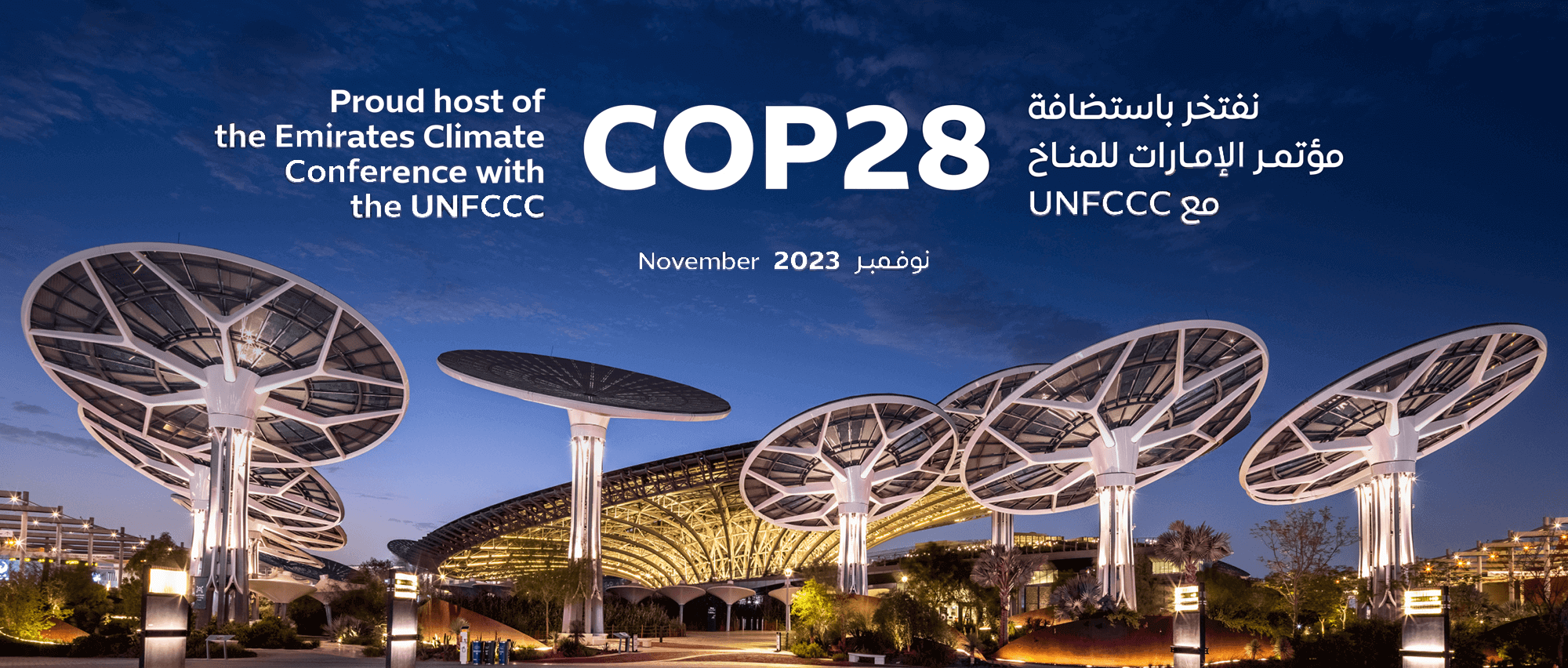
Geneva – Too little is being done to protect the most vulnerable people against the negative impacts of climate change, warns Médecins Sans Frontières (MSF). World leaders gathering in Dubai for the COP28 conference on climate change must take urgent measures to protect the health of the most affected communities.
“The world’s most vulnerable people are paying with their health and their lives for a problem they did not create,” says Dr Christos Christou, MSF International President. “It is both absurd and tragic that those who are the least responsible for the emissions that generate the climate emergency are left to suffer the consequences. This shows that we are not just in a crisis of climate, but also in a crisis of humanity and solidarity.”
The climate emergency is a health and humanitarian emergency. Severe health impacts of climate change are already affecting people across the globe and are projected to increase over time as the planet heats up. MSF works in many of the world’s most climate-vulnerable settings and treats patients experiencing the health impacts of climate change first-hand.
In 2023, we have continued to witness and respond to the consequences of such events, including widespread flooding in South Sudan, severe cyclones in Myanmar, Madagascar and Mozambique, and relentless heat and extended droughts that have driven millions to the edge of starvation throughout the Horn of Africa. We have also responded to multiple concurrent cholera outbreaks in several countries and alarmingly high rates of dengue across the Americas. The deadly mix of malaria and malnutrition has kept our paediatric wards full across the Sahel, including in eastern Chad, where people fled to from gruesome conflict in Sudan.
Dr Christos Christou, MSF International President “This is not a future problem; it is happening now. We see it in our waiting rooms. And it is happening because global political leadership has failed to deliver on commitments to curb emissions and deliver on their promises to support countries.”
“This is not a future problem; it is happening now. We see it in our waiting rooms,” says Dr Christou. “And it is happening because global political leadership has failed to deliver on commitments to curb emissions and deliver on their promises to support the most affected countries to adapt.”
As the Parties to the Conference take stock of the progress to meet climate goals, it is already clear that lack of climate action has put people’s health at great risk. Failing to cap global heating at 1.5 degrees Celsius is an existential threat for many people in the humanitarian contexts where MSF works.
The most affected communities and countries have repeatedly asked for, but are not receiving, the support they need to deal with the consequences of climate change. They need real commitment to reduce greenhouse gas emissions and they need concrete financial and technical support. These communities need to see climate action that equals the scale of the climate emergency. The world cannot continue to look on as humanitarian crises become more severe, and the world’s most vulnerable people continue to bear the consequences.
“We cannot afford another failure,” says Dr Christou. “How many more years will go by, how many more COPs, and how many more lives will be affected – or lost – before concrete measures are decided and acted upon?”
Newer articles:
- 10 most fragile African countries in 2023 - 24/11/2023 04:37
- EU and international community, including media, urged to 'wake up' to 'genocide' in Sudan - 24/11/2023 03:28
- RSF chief ‘Hemetti’ engages Ruto, commits to IGAD-supported Jeddah talks - 24/11/2023 03:22
- Four key issues Ruto and other EAC leaders will discuss in Arusha today - 24/11/2023 01:31
- Southern African troops versus M23 rebels in the DRC: 4 risks this poses - 24/11/2023 01:04
Older news items
- UNMISS Celebrates Vocational Training Graduates in Bentiu - 22/11/2023 06:47
- FFC-CC Delegation Arrives in Juba to Meet President Kiir - 22/11/2023 06:10
- Rwanda, Burundi 2 Other Countries Join Uganda in Opposing Kenya's Oil Deal - 22/11/2023 05:26
- Sudan: Darfuri rebels split as RSF offensive on al-Fasher looms - 22/11/2023 03:30
- Sudan refugees detail second wave of bloody ethnic purge by Arab forces - 22/11/2023 03:00
Latest news items (all categories):
- Ramaphosa presses Kiir to implement peace deal ahead of South Sudan’s first elections - 09/10/2026 12:19
- South Sudan steps up Ebola alert after Kenya case - 09/10/2026 12:17
- Laotian man deported by U.S. to South Sudan leaves for Laos after year in detention - 09/10/2026 12:14
- Bullet and blast injuries … and a constant need for blood: inside South Sudan’s overwhelmed trauma wards - 09/10/2026 12:10
- MTN South Sudan and Regulator Pledge Cooperation to Expand Connectivity - 09/10/2026 12:01
Random articles (all categories):
- BIOGRAPHY OF LATE/ ELIZABETH TOR GAI JOKA - السيرة الذاتية - 14/07/2013 09:29
- IOM, Government of South Sudan to Establish a Point of Entry in Renk - 02/06/2020 04:08
- UPDATE: Sudan, South Sudan Troops Clash Near Disputed Heglig Oil Field - 06/08/2013 05:23
- Sudan armed group attacks Darfur village, killing at least 7 - 25/07/2020 02:41
- EAC Speakers want their association recognised in the region - 14/11/2022 00:02
Popular articles:
- Who is the darkest person in the world, according to Guinness World Record? - 25/10/2022 02:34 - Read 150794 times
- School exam results in South Sudan show decline - 01/04/2012 17:58 - Read 28197 times
- Top 10 weakest currency exchange rates in Africa in 2023 - 19/07/2023 00:24 - Read 25309 times
- No oil in troubled waters - 25/03/2014 15:02 - Read 24535 times
- NDSU student from South Sudan receives scholarship - In-Forum - 29/09/2012 01:44 - Read 22494 times
